Drywood Termites: Signs, Prevention, and Treatment Options
Drywood termites may be tiny, but the trouble they cause is far from small. Unlike subterranean termites that require soil and moisture to thrive, drywood termites live directly inside dry wood and build colonies inside your walls, floors, attic beams, and even your favorite antique furniture. Their ability to live in dry environments and hide deep inside wood makes them one of the most difficult pests to detect early. By the time most homeowners spot the signs, the termites have already made themselves comfortable.
In this guide, we will walk through everything you need to know about drywood termites, including the signs you should not ignore, how to prevent them, and what treatment options work best. If you have ever found strange little pellets on the floor or heard a faint tapping noise in the wall and thought it might be your imagination, this blog will help put your questions to rest.
How Drywood Termites Behave and Why They Are a Serious Problem
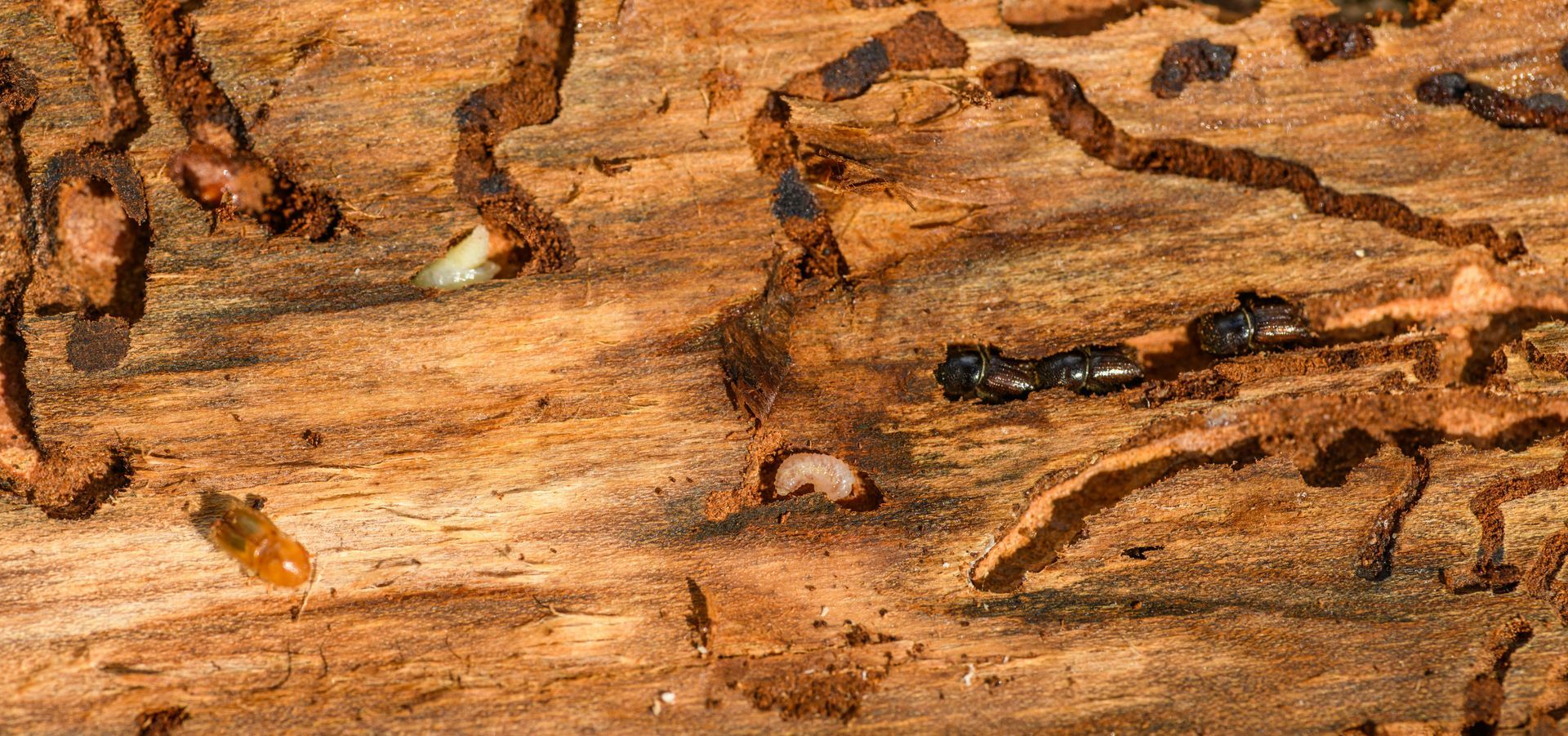
To protect your home, it helps to understand the enemy. Drywood termites do not need soil, moisture, or mud tunnels. Instead, they carve out their home directly inside the wood they consume. That means they can infest upper floors, attics, and furniture, which are areas subterranean termites usually cannot reach.
Drywood termite colonies tend to grow slowly, but that does not mean the risk is low. A single colony can live inside a piece of wood for years. The longer they stay hidden, the more damage they cause. Homeowners often underestimate them because the early signs are subtle. You will not see mud tubes. You will not find wet, decaying wood. Most of the damage happens quietly and out of sight.
If termites had a personality type, drywood termites would be the introverts. They like dry spaces, keep to themselves, and stay hidden. Unfortunately, they also enjoy chewing through anything made of wood, and that is a character trait no homeowner appreciates.
Top Signs of Drywood Termites in Your Home
Knowing what to look for can make all the difference. If you are diligent, you can catch drywood termites earlier than most homeowners.
1. Frass Piles
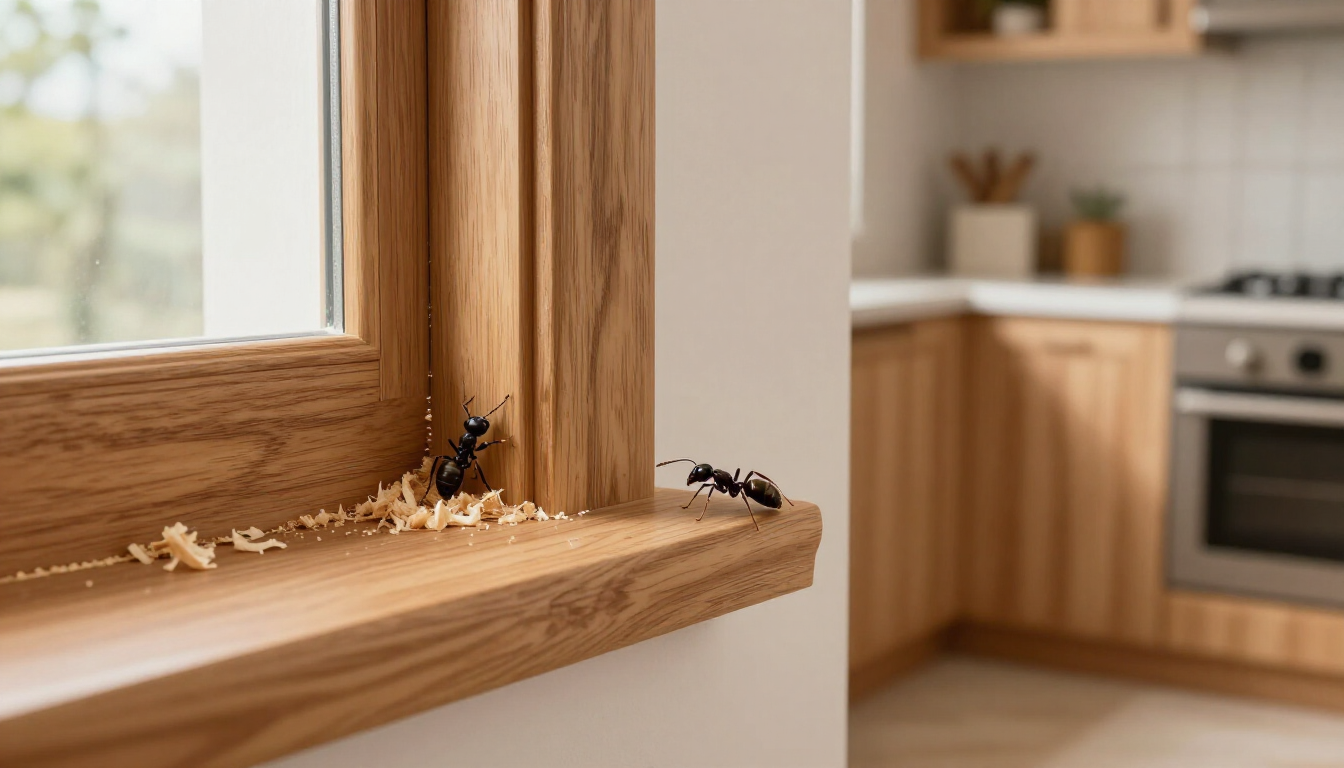
The most unmistakable sign of drywood termites is the presence of frass. These are tiny pellet shaped droppings that look like grains of sand or coffee grounds. Drywood termites clean their tunnels by pushing frass out through tiny holes. If you find small piles gathering under furniture, along baseboards, or beneath window frames, that is a major red flag.
2. Hollow Sounding Wood
Because drywood termites hollow out the inside of the wood they consume, the surface layer becomes thin. When you tap the wood, it may produce a hollow or papery sound. If the damage is severe, the wood may even crumble with pressure.
3. Discarded Wings Near Entry Points
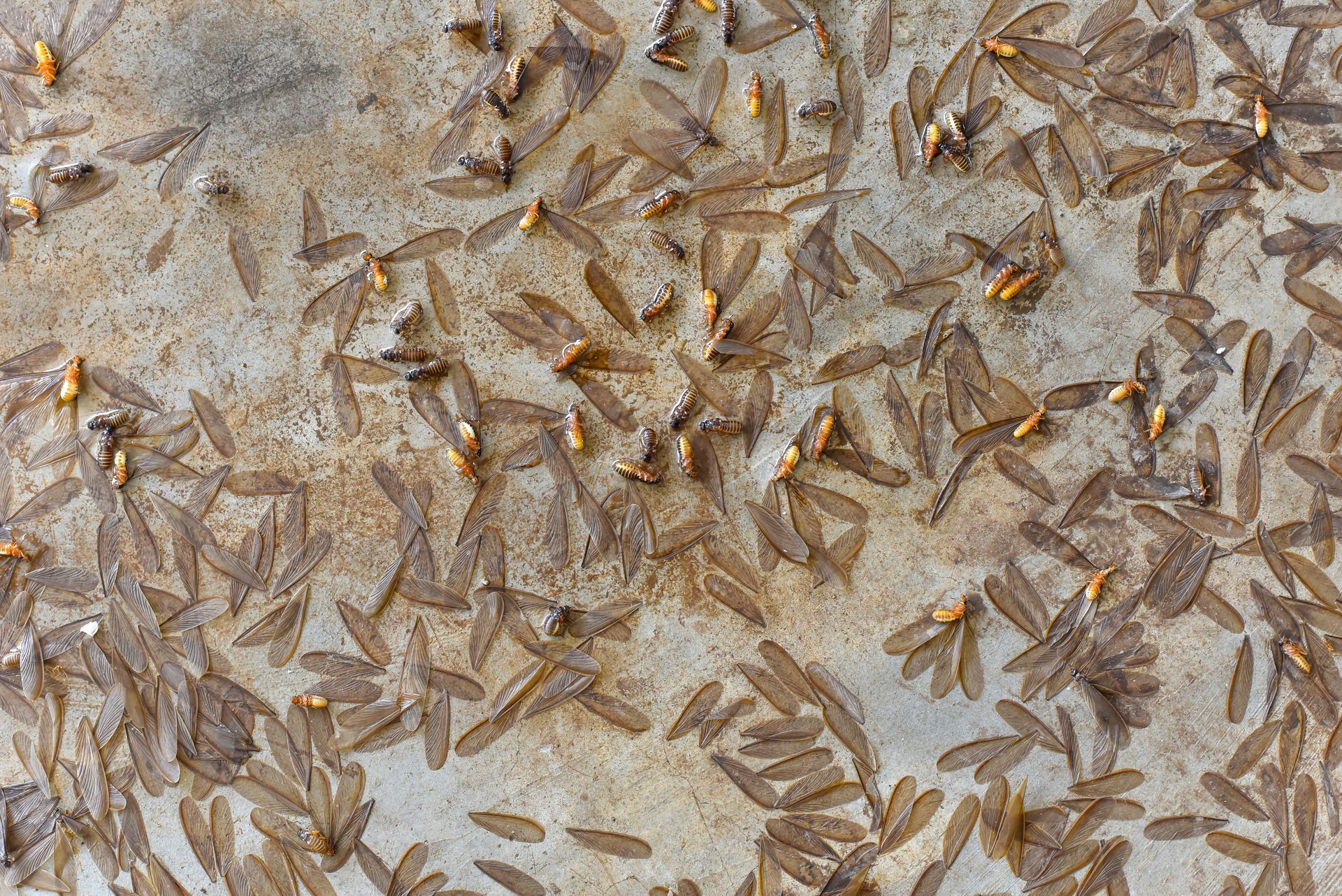
Swarming termites shed their wings once they settle into a new location. Finding wings around windows, sliding doors, or in your attic can indicate the start of a new colony.
4. Bubbling or Distorted Paint
Drywood termites create hollow spaces beneath painted surfaces. Even though they do not require moisture, the damage they cause can mimic water damage. If the paint looks blistered or uneven with no sign of a leak, termites may be hiding beneath the surface.
5. Strange Clicking Sounds in Walls
It might sound strange, but termites can sometimes be heard. Soldier termites tap their heads against wood to warn the colony of danger, and workers make faint chewing noises. If you hear something unusual, do not ignore it. Your walls are not supposed to make sounds unless you installed speakers in them.
Preventing Drywood Termites: Smart Steps Every Homeowner Should Take
The best way to avoid expensive repairs is to stop drywood termites before they arrive. These prevention strategies can significantly lower your risk.
Seal All Entry Points
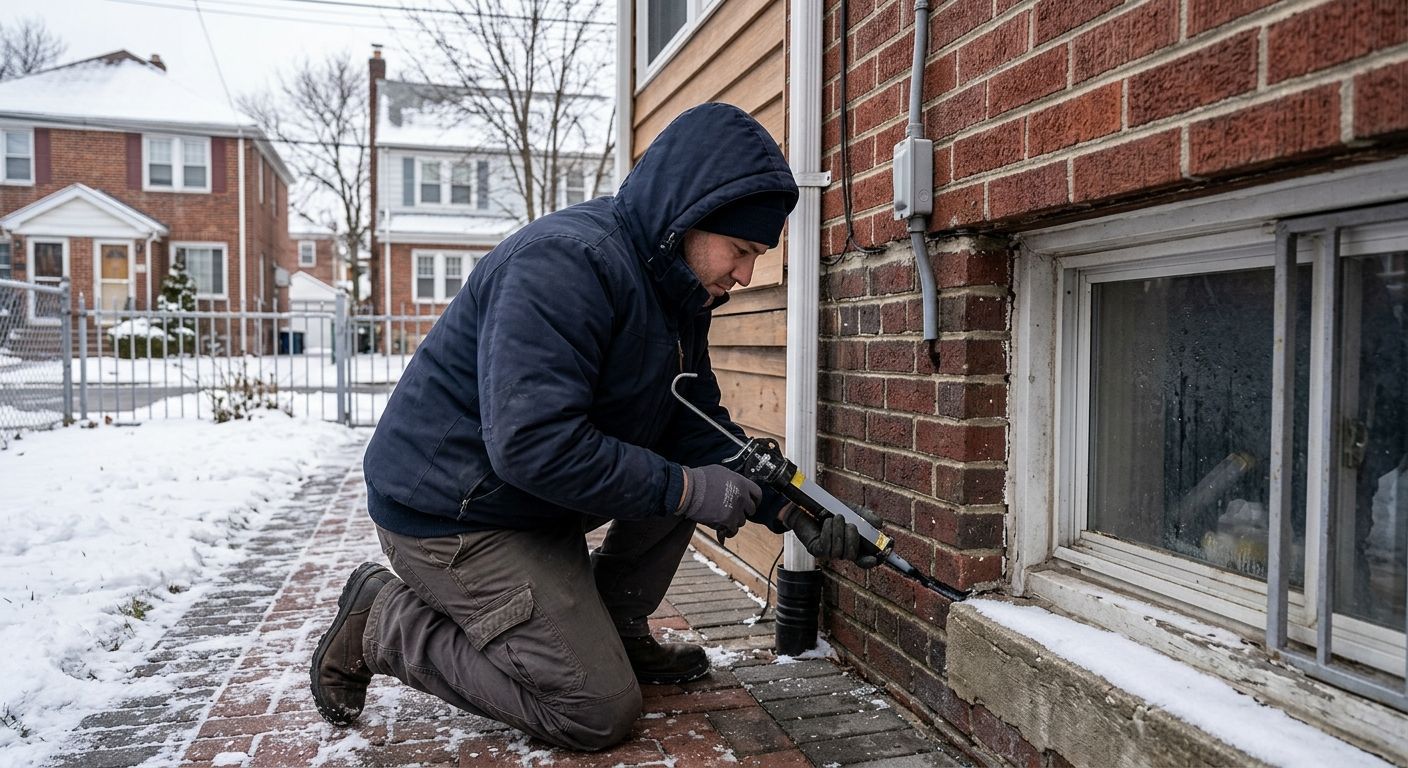
Drywood termites can enter through cracks as small as one eighth of an inch. Seal gaps around windows, doors, vents, roof joints, and attic openings. Well sealed wood means fewer opportunities for termites to get inside.
Protect Exposed Wood
Paint, sealant, or varnish is one of the simplest ways to protect wood. Termites prefer untreated wood because it is easier to chew through. A quality sealant acts like a shield and makes your home less inviting.
Inspect Furniture Before Bringing It Inside
Used furniture, pallets, and wood decor can introduce drywood termites into your home without you realizing it. Always flip pieces over, check corners, and look for tiny holes or frass.
Maintain Proper Ventilation
Even though drywood termites do not rely on moisture, good ventilation discourages pest activity in general. Dry attics, crawl spaces, and garages help reduce vulnerabilities.
Schedule Routine Professional Inspections
Trained professionals know where termites hide and which areas of your home are most at risk. A yearly inspection can catch early signs long before damage becomes serious.
Effective Treatment Options for Drywood Termites
Once drywood termites are active, you will need a more targeted solution. Treatment options vary depending on how severe and widespread the infestation is.
Localized Spot Treatments
Spot treatments can work well for small, contained infestations.
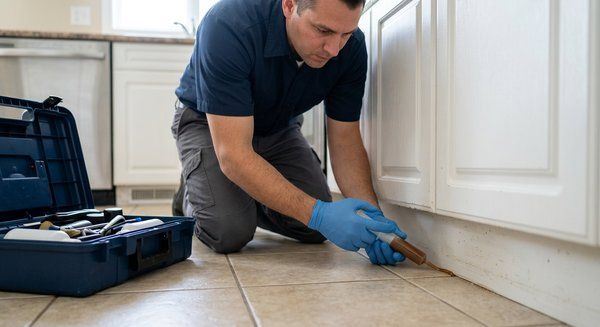
- Drill and Inject Method: A technician drills small holes into the affected wood and injects termite specific products into the galleries.
- Surface Application Treatments: Certain products can be applied to wood surfaces to penetrate and eliminate termite colonies inside.
These options are best for early detection and smaller infestations.
Whole Structure Fumigation
For widespread drywood termite infestations, fumigation is often necessary. The home is tented and filled with a fumigant that reaches all hidden areas. It is one of the most effective ways to eliminate all colonies at once.
Heat Treatments
Heat treatments use controlled temperatures to kill termites. They are chemical free and fast, but may require removing heat sensitive items beforehand.
Orange Oil Treatments
Orange oil is a plant based option used for localized infestations. While it is not a whole home solution, many homeowners prefer it for spot treating small areas.
Protect Your Home with Professional Termite Control in Queens, NY
Drywood termites are not pests you want to ignore. If you notice frass, hollow sounding wood, or any other warning signs, it is important to act quickly. At No More Pests Control, LLC, we specialize in termite control services that target drywood termites effectively and safely. Our experienced technicians use proven inspection methods and tailored termite treatment plans to protect your home from ongoing damage.
Call us today at
(347) 901 8143 for professional termite control services in
Queens, NY and the surrounding areas. Along with termite treatments, we also provide
Residential Pest Control,
Commercial Pest Control,
Bed Bug Dog Inspections, and more. Whatever pest is giving you trouble, our team is ready to help keep your home safe.
FAQs
How do drywood termites get inside my home?
Drywood termites often enter through small cracks, gaps in siding, or attic vents. They can also be brought inside through infested furniture. Even though the cracks may be tiny, termites only need a small entry point to begin forming a colony.
Are drywood termites harmful to humans?
They do not bite, sting, or transmit diseases, so they are not physically harmful. However, they can cause major structural damage over time, which can create safety hazards if not addressed.
Can I treat drywood termites on my own?
Most DIY treatments do not penetrate deep enough into the wood to eliminate entire colonies. While they may reduce visible activity, the termites inside the wood often survive. Professional treatments are the most reliable way to solve the problem.
What happens during fumigation?
Fumigation involves covering the home with a tent and releasing a gas that penetrates all wood structures. This gas eliminates termites hidden deep inside the wood. Homeowners must leave the property during this process, but it is highly effective for severe infestations.
How long does it take for a drywood termite infestation to become serious?
Drywood termite colonies grow slowly, often over several years. While this may seem like good news, it also means the damage builds quietly and can go unnoticed for a long time. By the time signs appear, repairs may already be necessary.