What Do Carpenter Ants Eat? Understanding Their Food Sources
Carpenter ants are not just unwanted guests. They are also tiny food critics with a surprisingly varied menu. If you have ever wondered why these ants seem obsessed with your kitchen one day and your wooden window frame the next, you are not alone. Understanding what carpenter ants eat is one of the most important steps in successful carpenter ants removal. When you know what attracts them, you can take smarter action to protect your home before they start remodeling your walls without permission.
Let’s break down their favorite snacks, their habits, and how you can use this knowledge to keep your home safe.
Why Understanding Carpenter Ant Diets Is the Key to Effective Carpenter Ants Removal
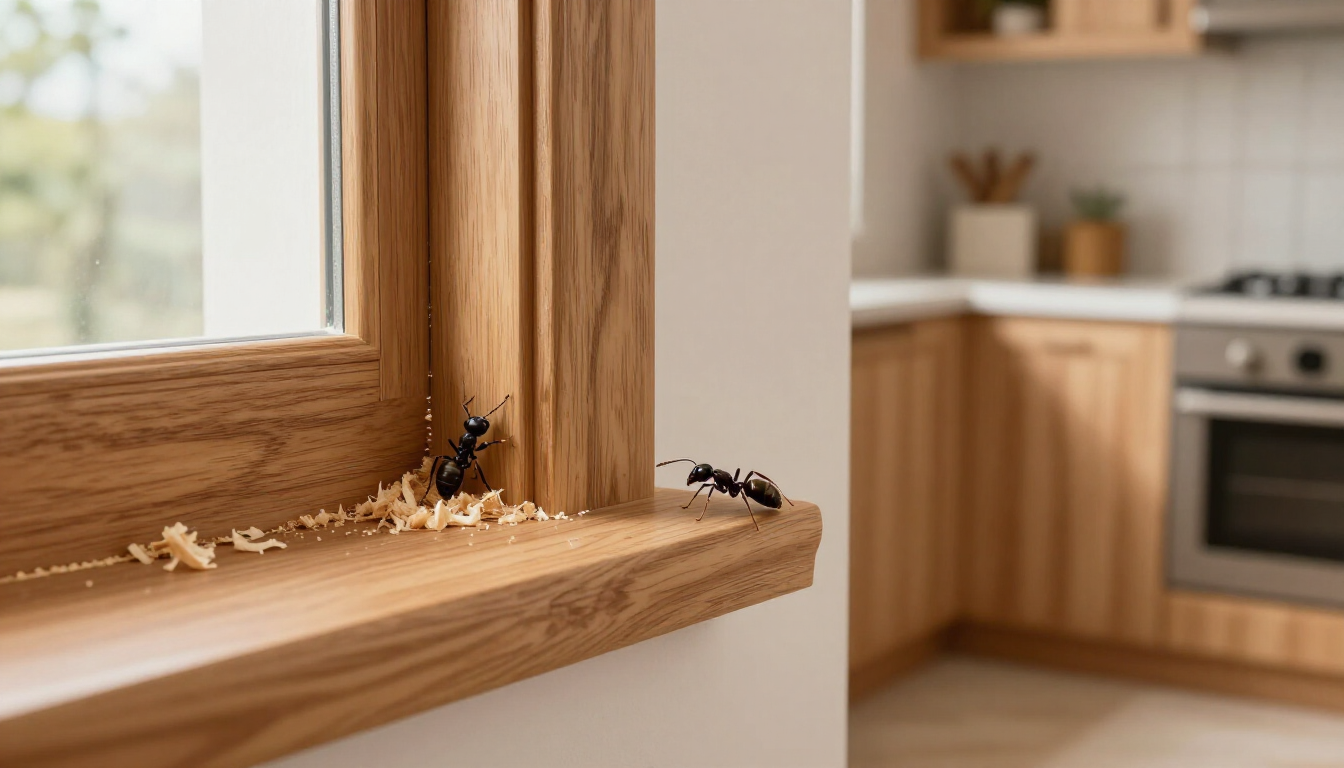
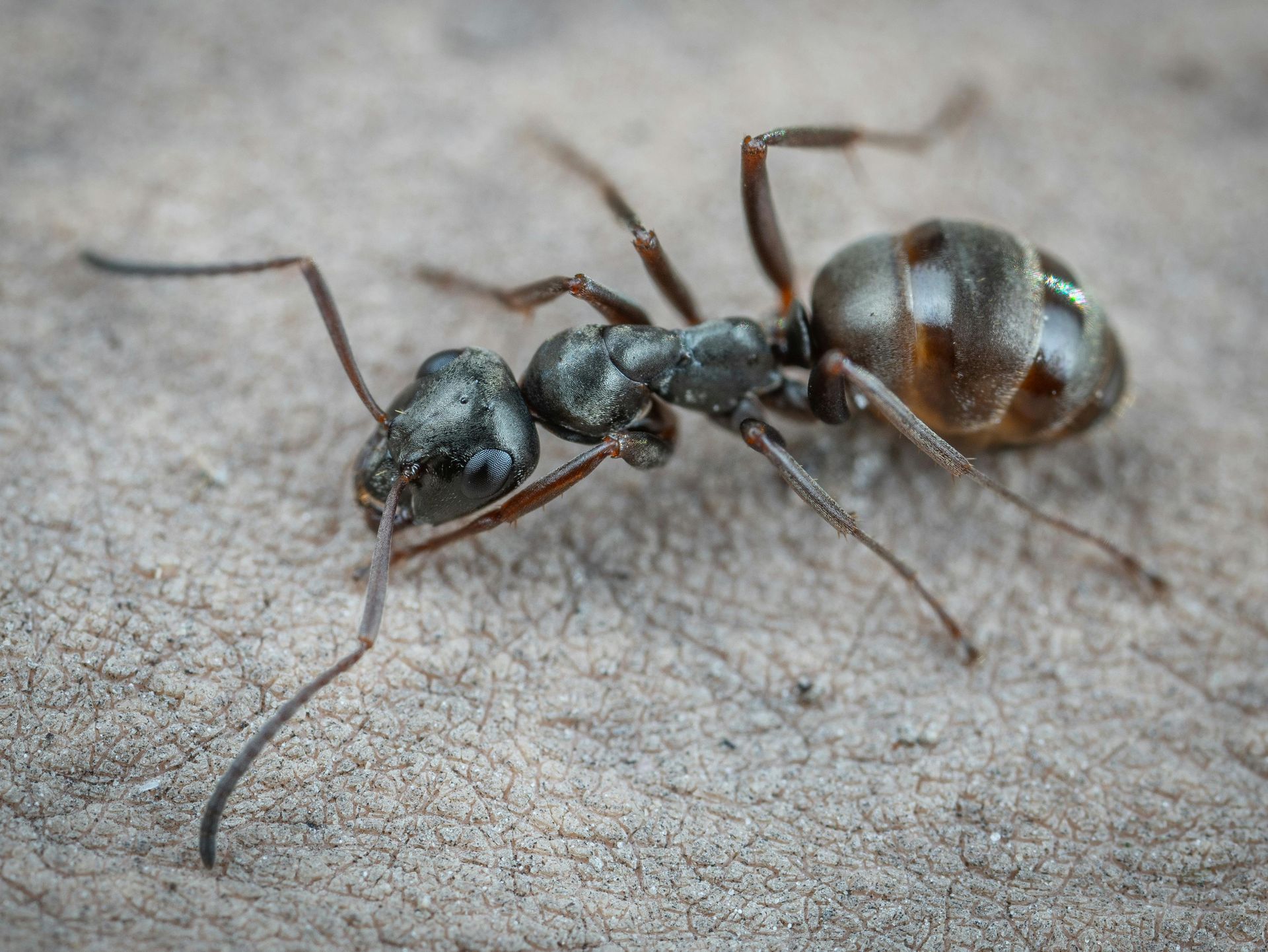
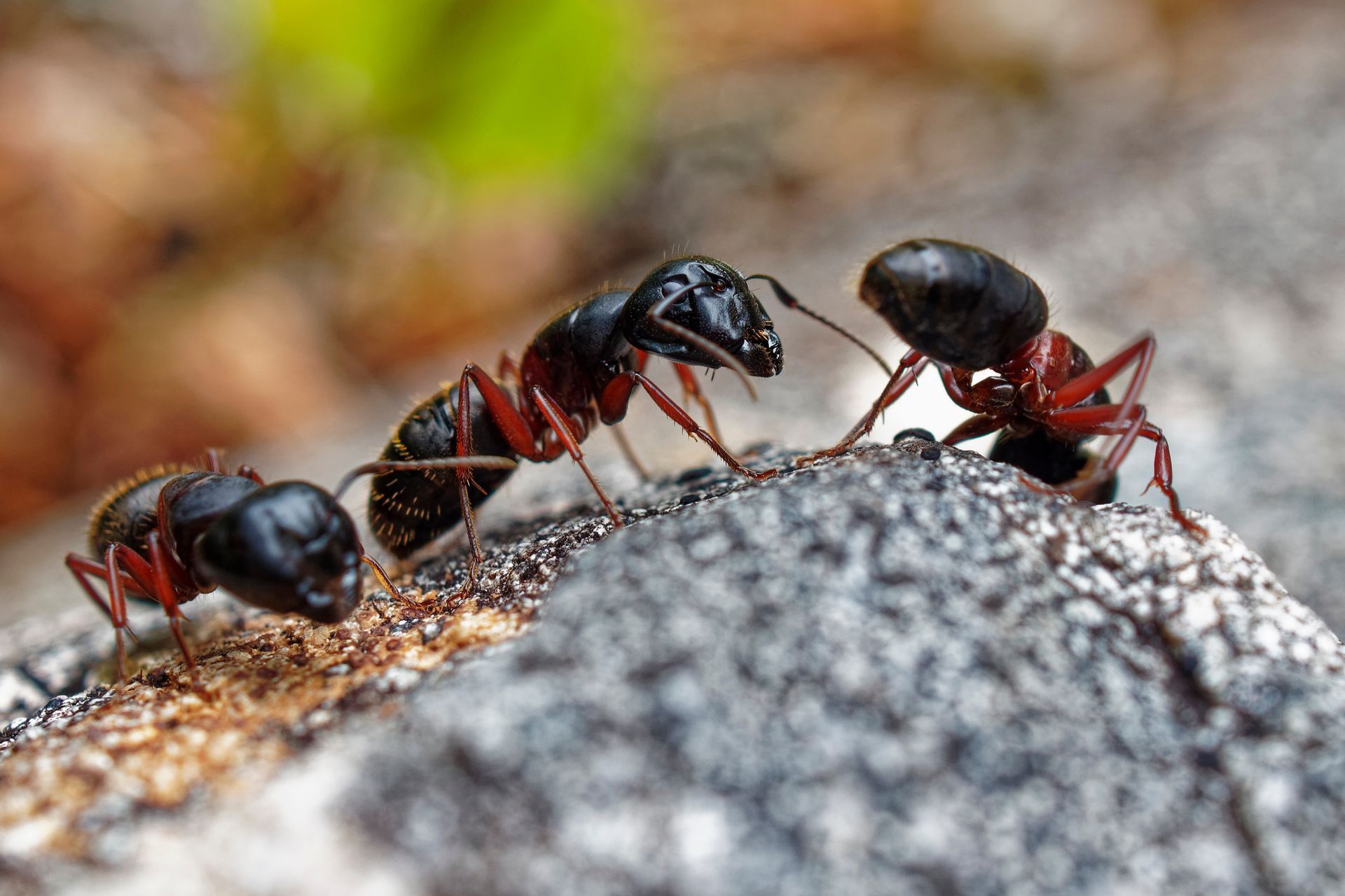
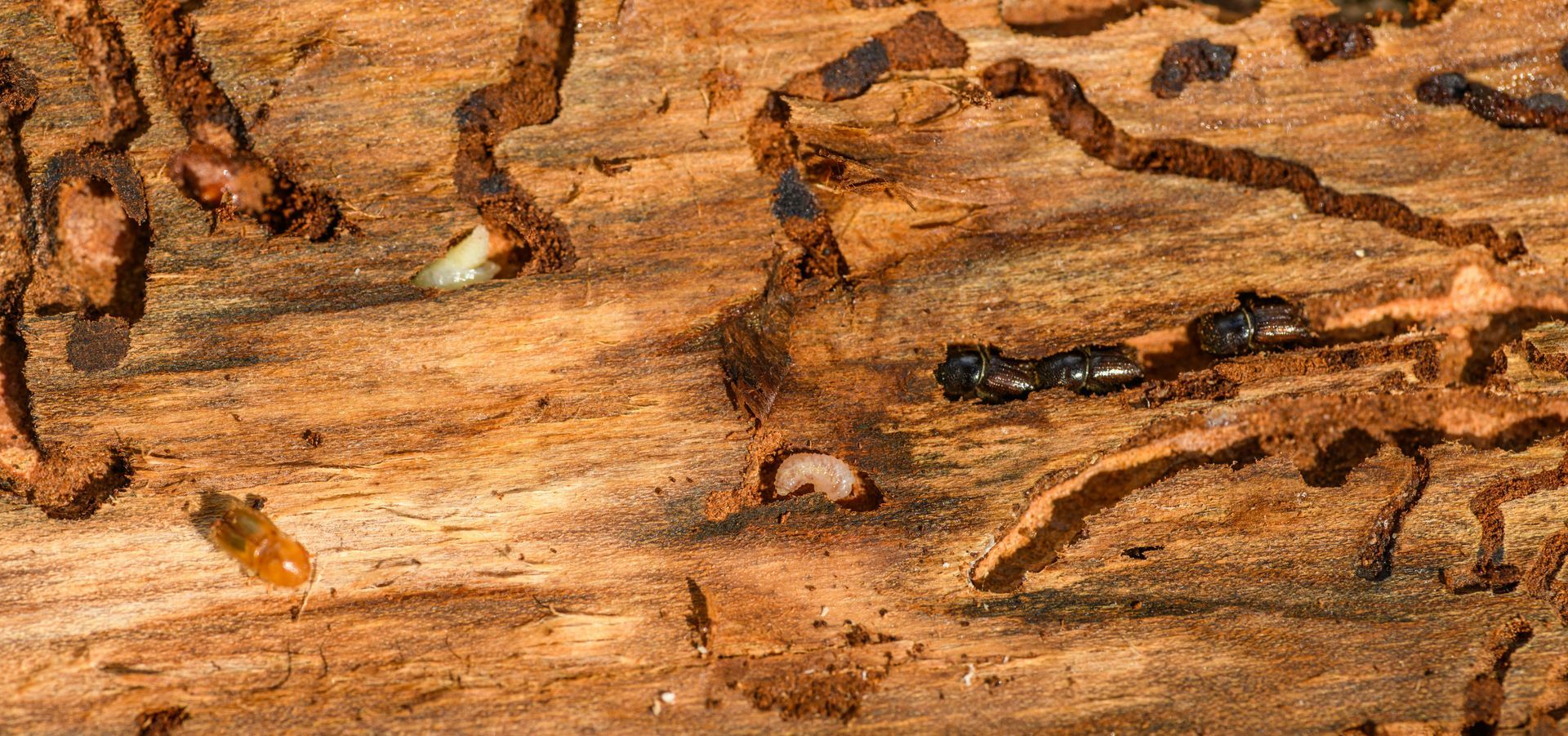
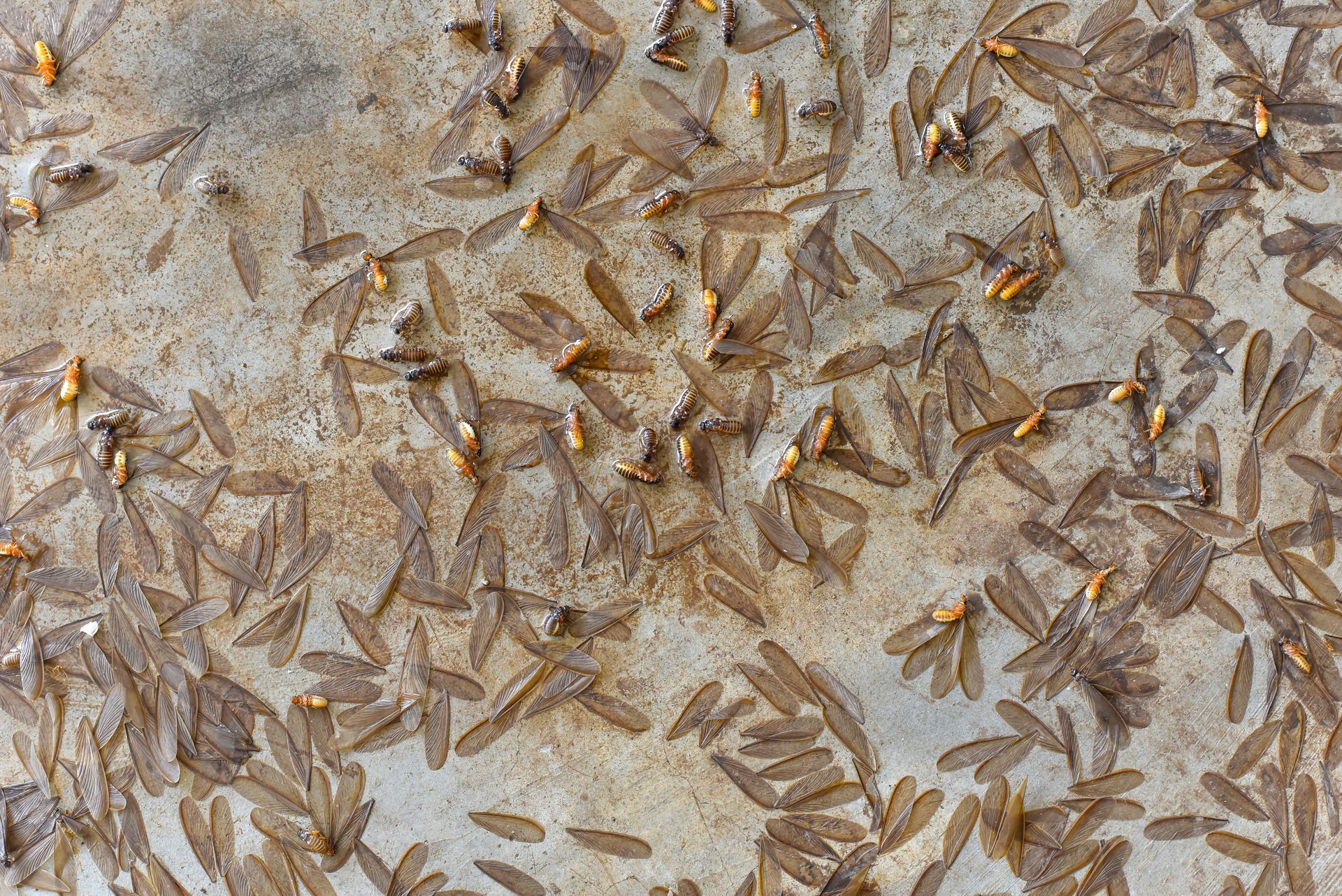
Most people assume carpenter ants eat wood because they live inside it. The truth is they do not actually eat wood. Instead, they chew through it to build nests. This is why they are often confused with termites. Think of them as tenants who knock down walls but never pay rent.
Their real diet includes both sweet and protein rich foods. Carpenter ants are opportunistic feeders. That means they eat whatever is easy to find, depending on the season and the colony’s needs. This flexibility is one reason carpenter ants removal can be challenging without a proper strategy.
Here is why their eating habits matter:
- They switch food sources: During warmer months, they often prefer sweets and sugary liquids. During colder seasons, they lean toward proteins and fats.
- They travel long distances for food: Carpenter ants can travel hundreds of feet from their nest. This means the colony could be far from where you see them.
- They create satellite colonies: A single colony may spread across different parts of your home. Finding the nest without understanding their food patterns is difficult.
When homeowners understand these behaviors, they are better equipped to stop infestations early. If you simply kill the ants you see, more will replace them. The real solution involves targeting the colony and eliminating food sources.
The Sweet Tooth of Carpenter Ants: Why Sugars Attract Them
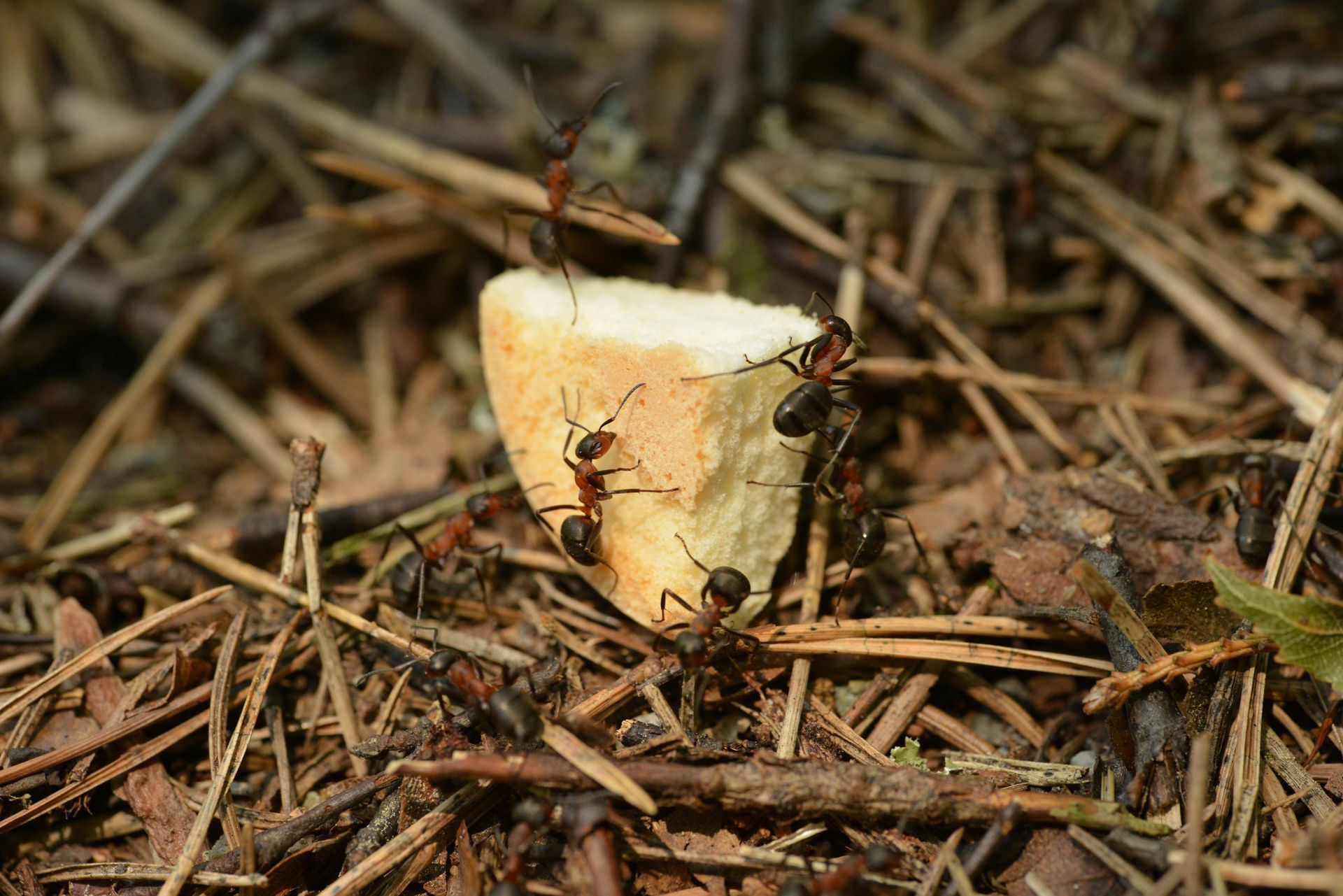
Carpenter ants love sugary foods. In fact, they have a serious sweet tooth that rivals anyone who sneaks dessert after dinner. These ants search for high energy foods that help fuel the colony. Sugar provides quick energy and supports reproduction.
Common sugary foods that attract carpenter ants include:
- Honey and syrup: Even small spills on countertops can attract ants within hours.
- Juice and soda: Sticky residue on cans or spills in trash bins are major attractants.
- Fruit and fruit scraps: Overripe fruit on counters can become an ant buffet.
- Sweet baked goods: Cakes, cookies, and crumbs are irresistible.
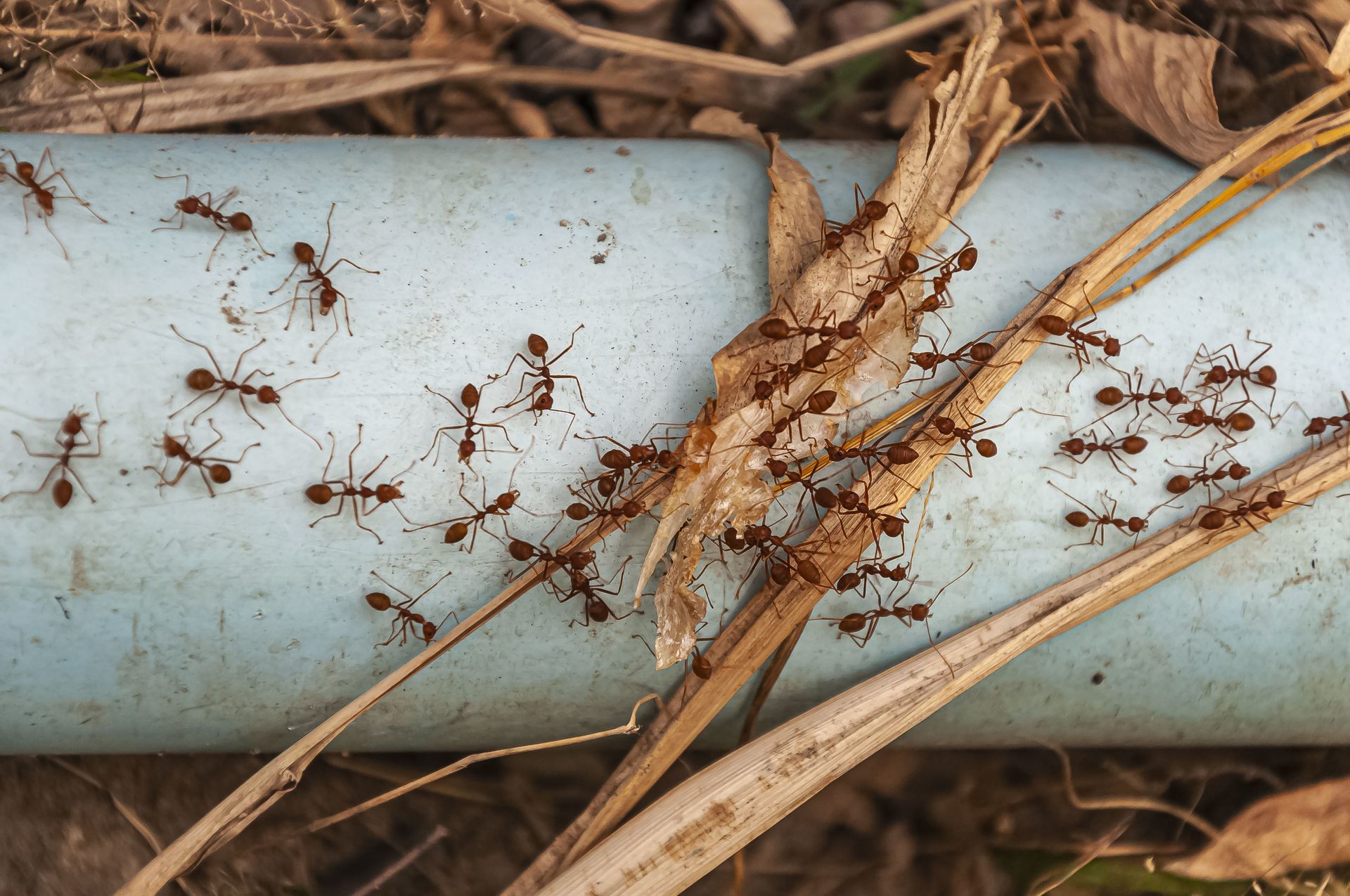
Carpenter ants also seek natural sugar sources outdoors. Aphids and other insects produce a sweet substance called honeydew. Carpenter ants protect these insects in exchange for food. If your yard has plants with aphids, you may unknowingly be supporting a carpenter ant colony.
This is why keeping your home clean and sealed is critical for carpenter ants removal. Eliminating sugar sources makes your home less appealing.
Helpful prevention tips include:
- Wipe down surfaces regularly
- Store food in airtight containers
- Clean sticky spills immediately
- Rinse recyclable cans and bottles
These simple steps can significantly reduce activity inside your home.
Protein and Grease: The Other Side of Carpenter Ant Nutrition
While sweets attract carpenter ants, protein is equally important. Protein supports the growth of larvae and helps the colony expand. This is why you might notice ants invading your kitchen after cooking dinner.
Common protein sources include:
- Meat and fish: Leftovers in trash bins are a major attractant.
- Pet food: Bowls left out overnight can draw ants.
- Greasy foods: Oil and grease from cooking are highly appealing.
- Dead insects: Carpenter ants are natural scavengers.
This seasonal shift in diet often confuses homeowners. One week the ants ignore your pantry. The next week they swarm your trash. Understanding this pattern is essential for successful carpenter ants removal.
To reduce protein based attraction:
- Clean trash cans regularly
- Store pet food in sealed containers
- Vacuum food crumbs
- Remove dead insects inside your home
By addressing both sweet and protein food sources, you cut off their main motivation to invade.
Outdoor Food Sources That Lead Carpenter Ants Into Your Home
Many carpenter ant infestations start outside. They enter homes when food or moisture is available. Understanding outdoor food sources helps stop infestations before they begin.
Common outdoor attractants include:
- Honeydew producing insects: Aphids and scale insects are major food sources.
- Dead insects and small animals: Carpenter ants are scavengers.
- Tree sap and plant sugars: These provide natural energy.
- Garbage and compost: Improperly sealed bins attract ants.
They often build nests in:
- Damp wood
- Tree stumps
- Firewood piles
- Wooden fences
- Decks and outdoor structures
From these locations, they travel into your home through cracks, gaps, and utility lines.
Prevention steps include:
- Trim branches touching your home
- Store firewood away from walls
- Seal exterior cracks
- Fix moisture problems
If you notice ants both indoors and outdoors, the colony may be larger than expected. Professional inspection is often needed for complete carpenter ants removal.
Why DIY Carpenter Ants Removal Often Fails
Many homeowners try sprays and store bought solutions. While these may kill visible ants, they rarely solve the real problem. The colony remains hidden and continues to grow.
Here is why DIY methods fail:
- They do not target the nest: Killing workers does not eliminate the queen.
- Wrong bait types: Carpenter ants change diets seasonally. Using the wrong bait makes treatment ineffective.
- Multiple colonies: Large infestations may involve several nests.
- Hidden damage: Carpenter ants can weaken structures before signs appear.
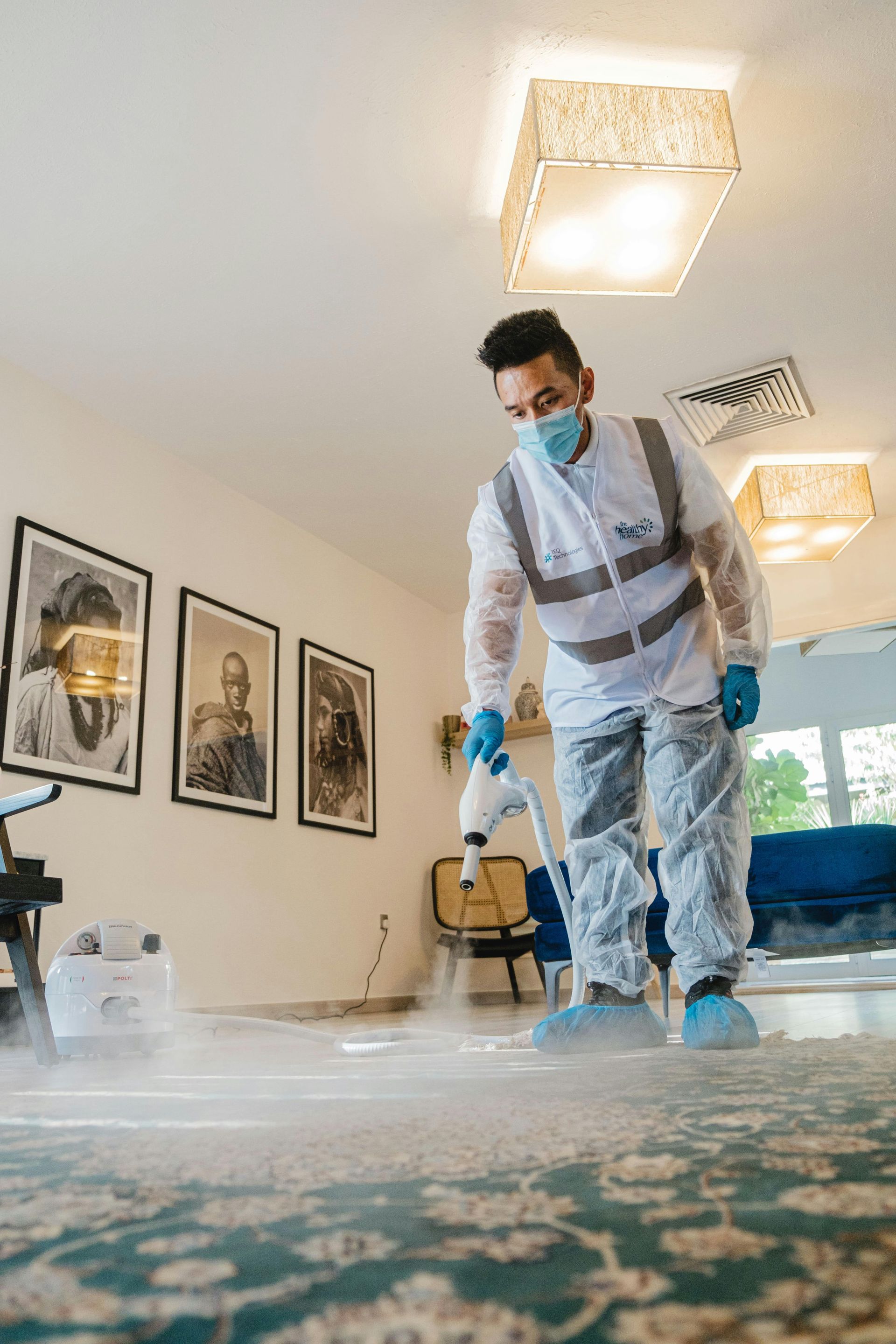
Professional pest control focuses on the source. Experts identify food patterns, nesting locations, and seasonal behavior. This comprehensive approach leads to long term results. If ants keep coming back despite your efforts, it is time to call professionals.
Call the Experts for Carpenter Ants Removal in Queens, NY
If carpenter ants have turned your home into their personal snack bar, it is time to take action. No More Pests Control, LLC provides professional residential pest control, carpenter ants removal, and green pest control solutions in Queens, NY and surrounding areas. Our trained team understands the eating habits, nesting patterns, and seasonal behavior of carpenter ants. We use proven strategies to eliminate the entire colony, not just the ants you see. Call us today at (347) 901-8143 to schedule your inspection and protect your home before the damage gets worse.
We also offer a full range of pest control services to keep your property safe year round. In addition to carpenter ants removal, we provide
bed bug dog inspection,
commercial pest control, and treatments for
termites,
rodents,
cockroaches,
spiders, and more. Whether you are dealing with a current infestation or want preventive protection, our experienced team is ready to help.
FAQs
Do carpenter ants eat wood like termites?
No, carpenter ants do not eat wood. They chew through it to create nests and tunnels. This is why they can still cause serious structural damage even though wood is not part of their diet.
What attracts carpenter ants to my home?
Food sources like sugar, protein, and grease are the main attractants. Moisture, damaged wood, and outdoor colonies nearby also increase the chances of infestation.
Can I get rid of carpenter ants on my own?
DIY methods may reduce activity temporarily but often fail to eliminate the colony. Professional carpenter ants removal is usually needed to locate nests and stop the problem completely.
Are carpenter ants dangerous?
They are not typically dangerous to people, but they can cause significant structural damage over time. Ignoring an infestation may lead to costly repairs.
How long does professional treatment take?
The timeline depends on the size of the infestation. Many treatments show results quickly, but full elimination may take several visits to ensure the colony is gone.