How to Get Rid of Carpenter Ants: Effective Methods That Actually Work
Carpenter ants might be small, but their damage can be huge. Unlike other ants that just steal your food, carpenter ants chew through wood to build their nests, leaving behind hollowed beams, window frames, and furniture. If you notice tiny piles of sawdust, rustling noises in your walls, or ants marching in a straight line across your home, it is time to take action.
This guide will walk you through everything you need to know about
carpenter ants removal, including how to identify them, prevent infestations, and use effective treatment methods. By the end of this post, you will know how to protect your home from these wood-loving invaders and regain peace of mind.
Understanding Carpenter Ants and Why They Are Dangerous
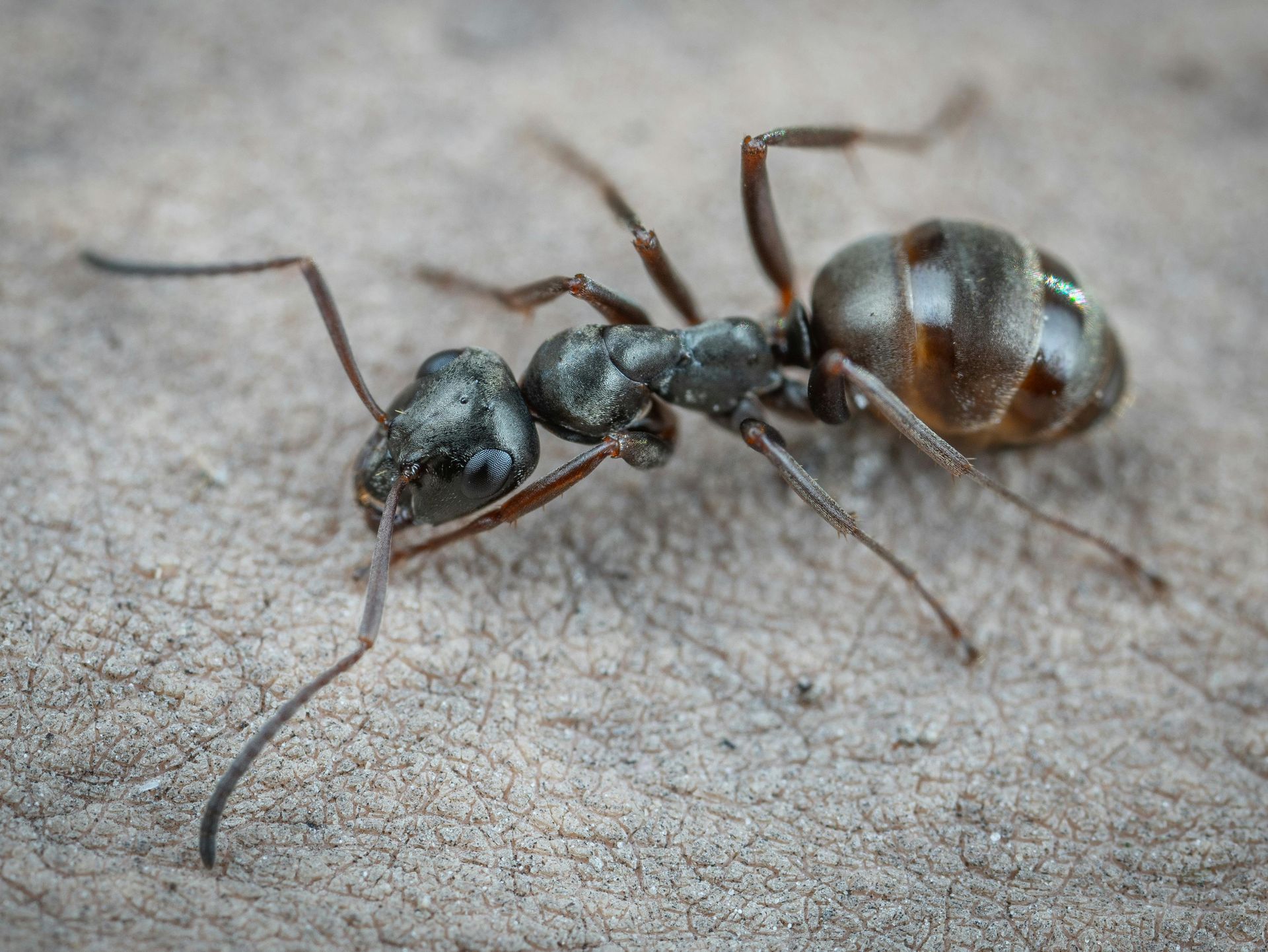
Carpenter ants are one of the most destructive household pests because they do more than just annoy. They hollow out wood to create nests, which can weaken the structure of your home over time. Unlike termites, they do not eat the wood, but the tunnels they create are enough to cause serious damage.
Key Facts About Carpenter Ants
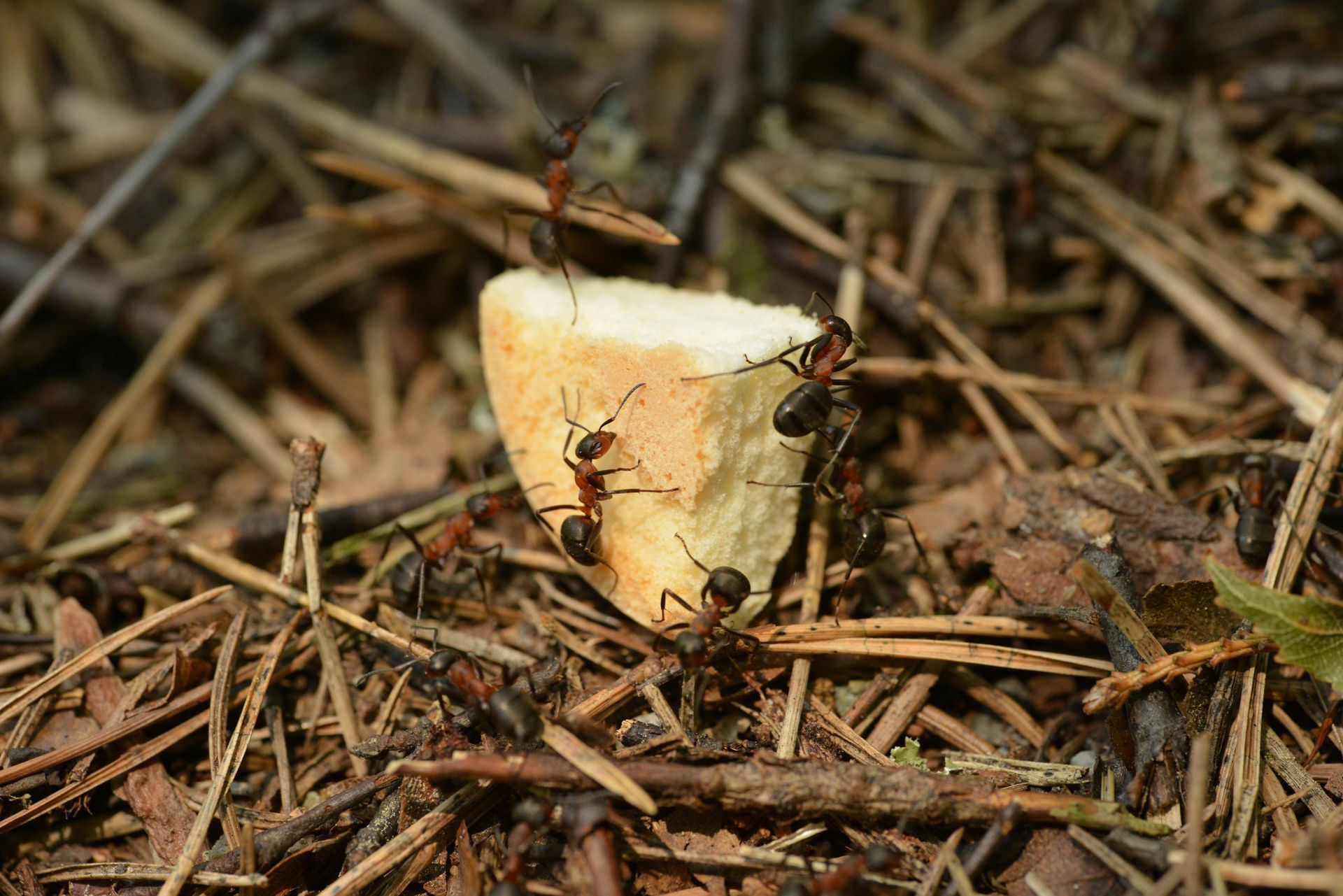
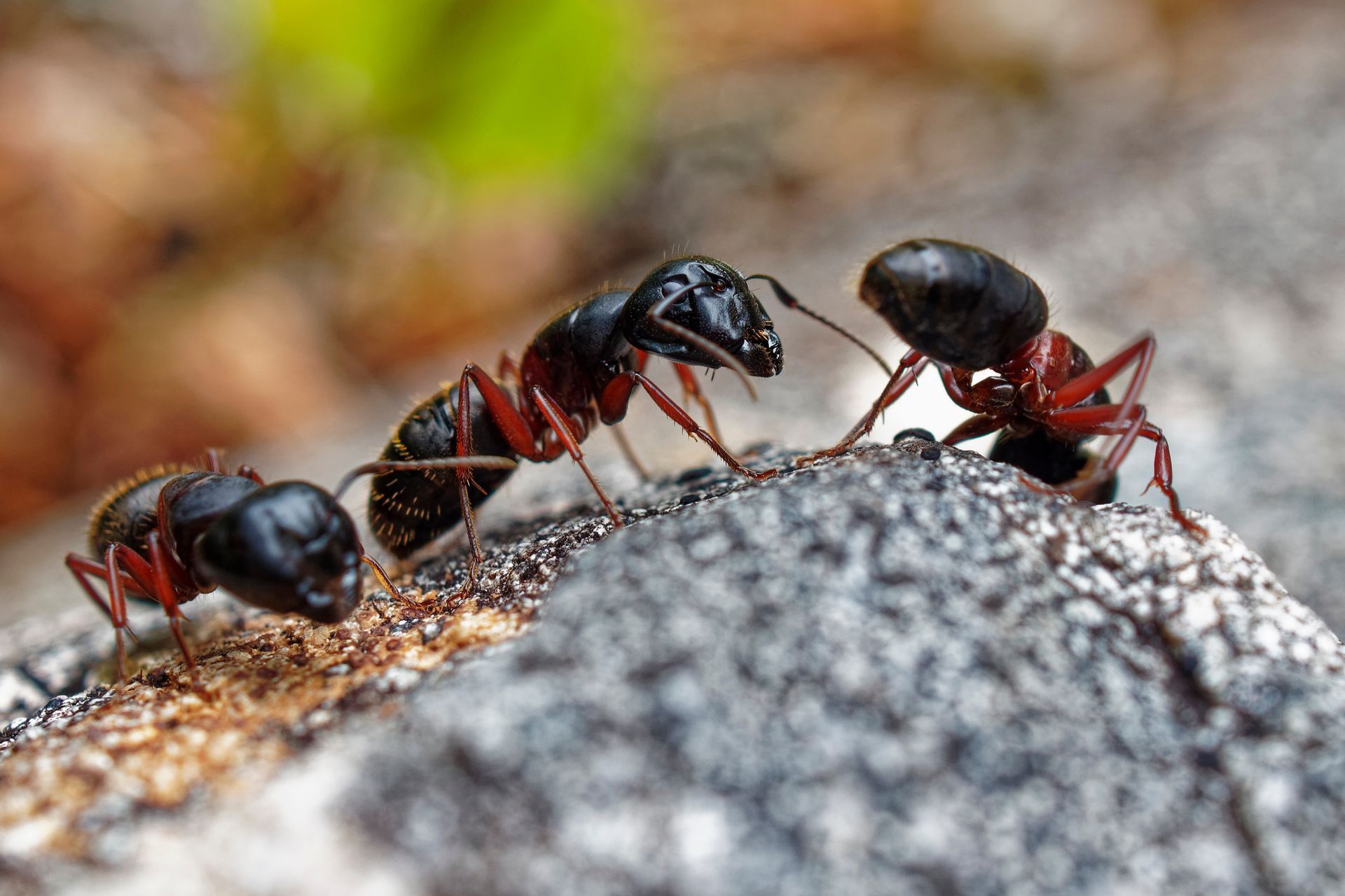
- Size and appearance: Carpenter ants are larger than most ants, typically between 1/4 inch and 1/2 inch long. They can be black, red, or a combination of red and black.
- Nesting habits: They prefer moist or decaying wood for nesting, but once established, they can expand into dry, sound wood.
- Nocturnal activity: Carpenter ants are most active at night, which explains those mysterious rustling noises inside walls.
- Colony structure: Colonies can have thousands of worker ants, and a single queen can live for years, producing more ants continuously.
Understanding how carpenter ants operate makes it easier to detect them early and take action before the damage becomes severe. Think of them as tiny construction workers who never get paid and leave a mess everywhere.
Signs You Have a Carpenter Ant Infestation
Spotting carpenter ants early is crucial to prevent costly repairs. Here are the most common warning signs homeowners should watch for:
1. Rustling Sounds in the Walls
If you hear soft scraping or tapping inside walls, ceilings, or baseboards, it could be carpenter ants chewing tunnels. The noise is subtle, so listen carefully at night when the house is quiet.
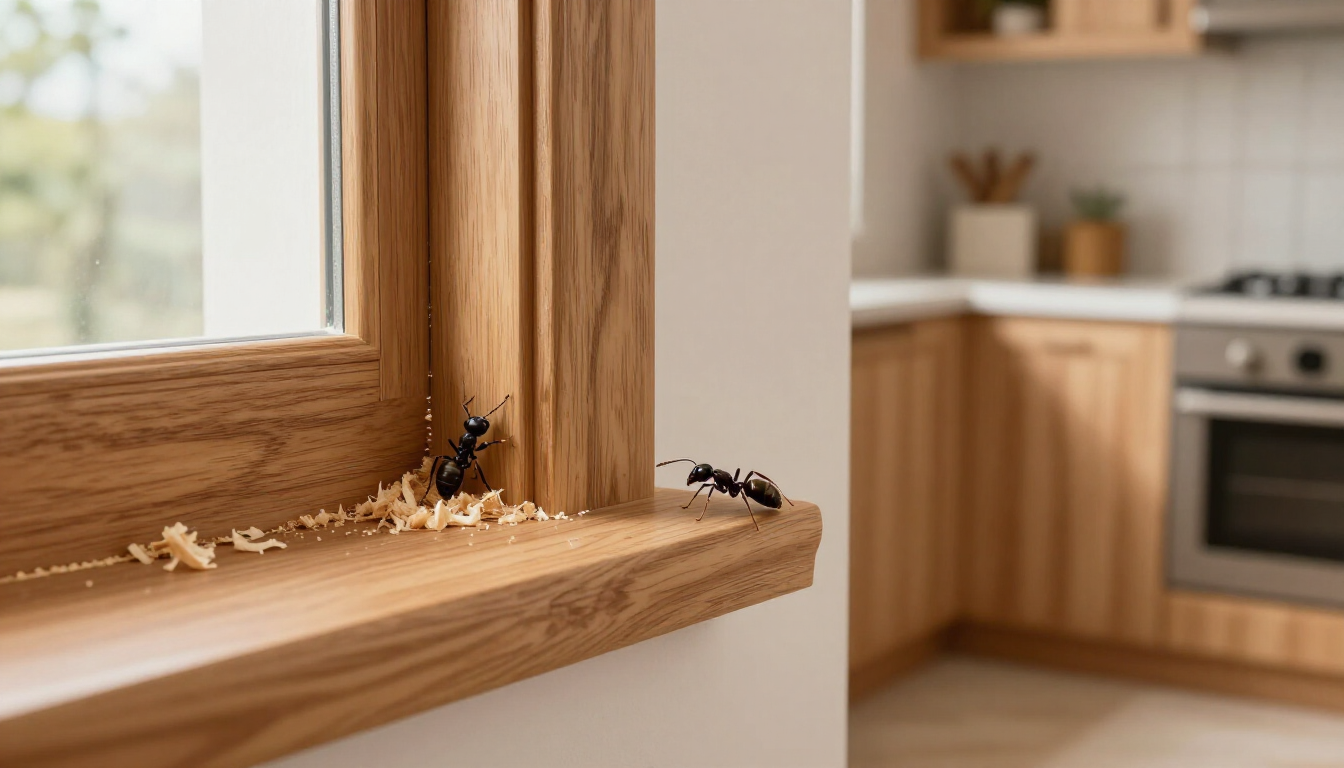
2. Sawdust or Wood Shavings
Carpenter ants push out tiny wood particles as they excavate. These piles, called frass, often accumulate near entry points or around windowsills.
3. Flying Ants in the Spring or Summer
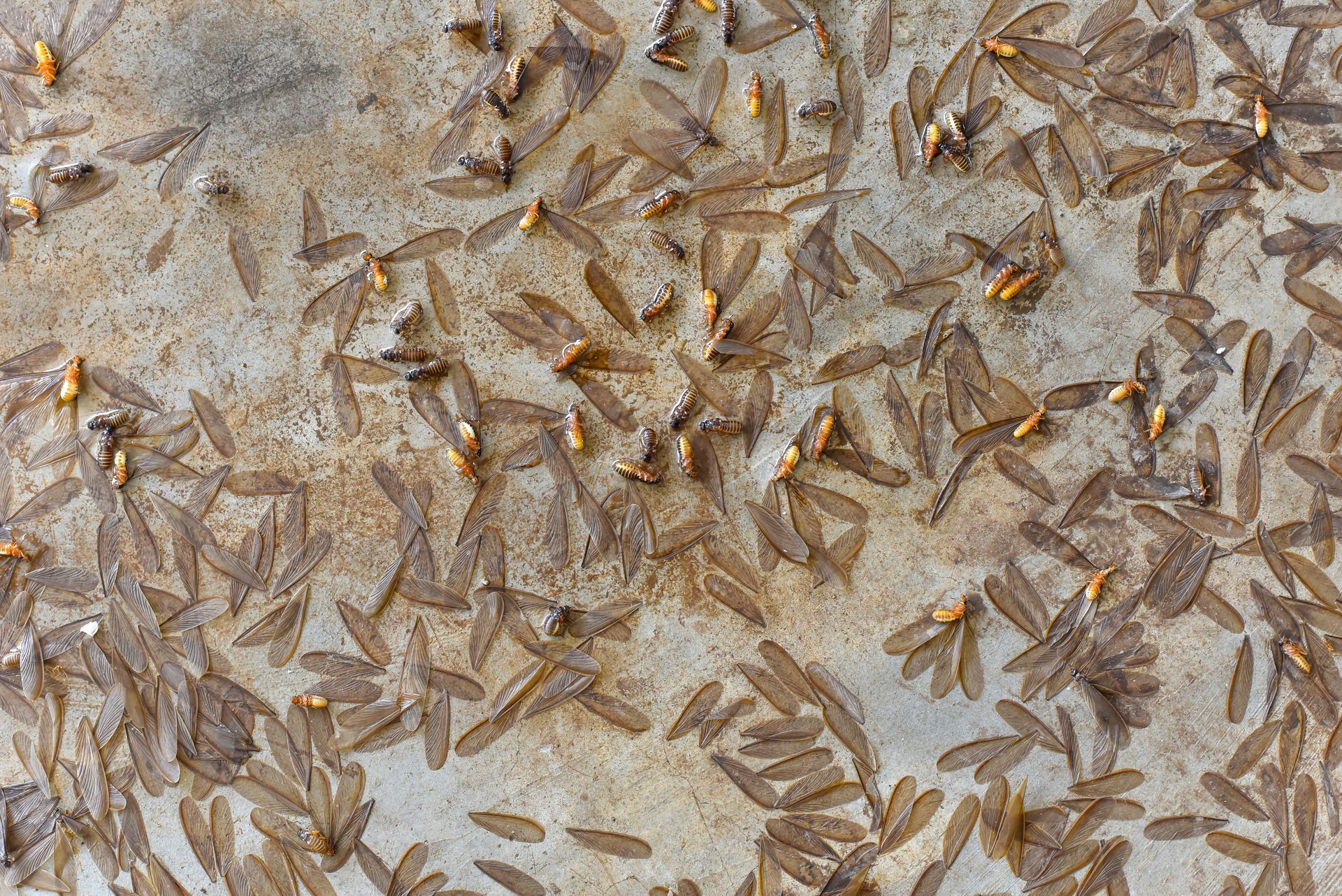
Winged carpenter ants, known as swarmers, emerge to start new colonies. Spotting these flying ants indoors is a strong indicator that a colony is nearby.
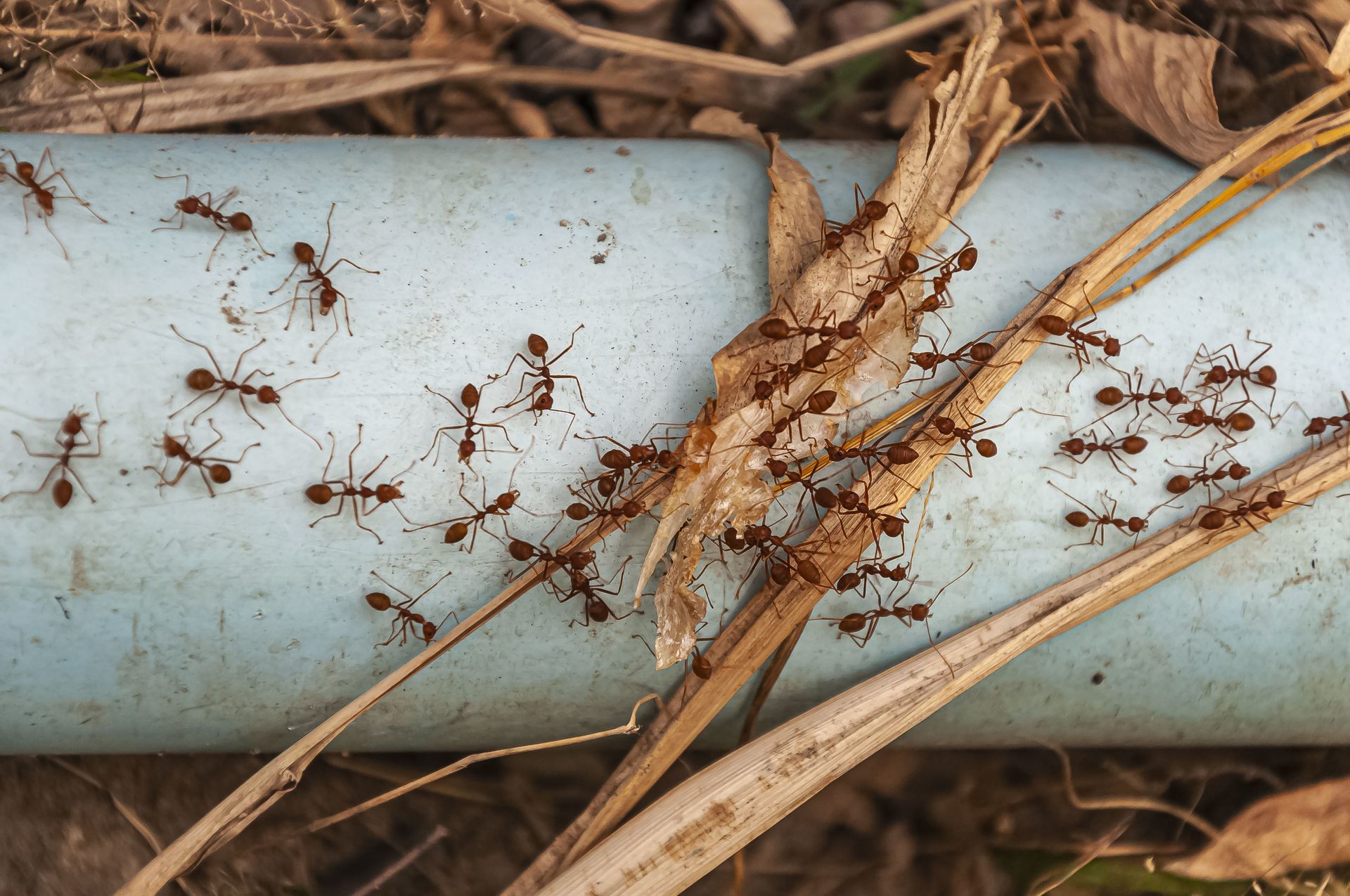
4. Trails of Ants
Carpenter ants create well defined trails for foraging. If you notice a line of ants heading into cracks or windows, it is a sign they are establishing a network.
5. Damaged Wood
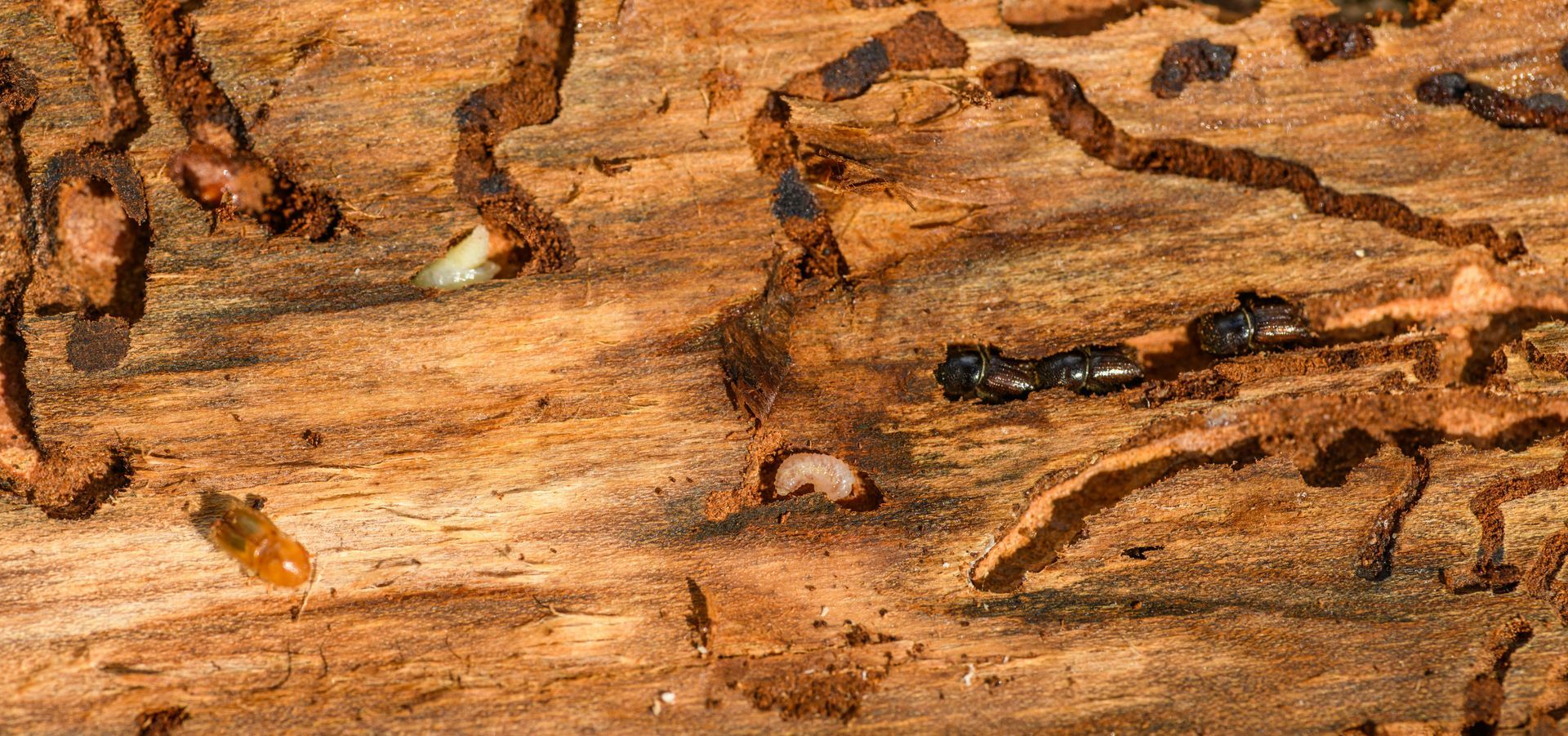
Look for smooth, sandpaper like tunnels or hollow sounding wood. Unlike termites, carpenter ants do not eat the wood, but the damage can compromise structural integrity over time.
Effective Prevention Methods for Carpenter Ants
Preventing carpenter ant infestations is far easier than removing them once they are established. With some smart habits and small home improvements, you can keep these wood lovers at bay.
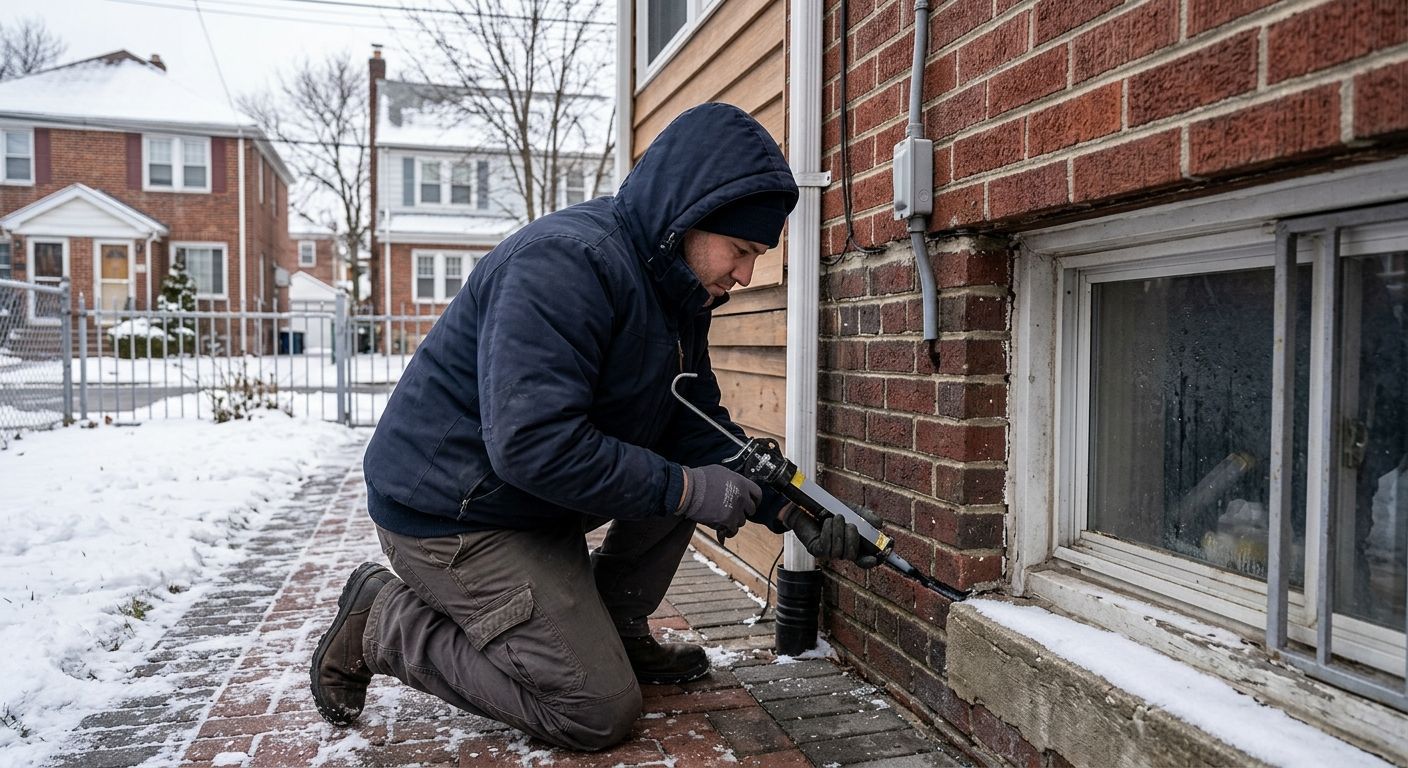
Seal Entry Points
Check your home for cracks, gaps around windows and doors, and damaged siding. Use caulk, weatherstripping, or sealants to close these openings and block ant access.
Address Moisture Issues
Carpenter ants are attracted to damp or rotting wood. Fix leaks, improve drainage around the foundation, and ventilate attics or basements to make your home less appealing.
Remove Wood Debris
Keep firewood, lumber, and tree stumps away from your home. Carpenter ants often nest in these areas before moving indoors.
Regular Inspections
Schedule professional inspections at least once a year to detect any early signs of infestation. Even small issues can be addressed before they become large colonies.
Bullet Point Summary
- Seal cracks, gaps, and damaged wood around the house.
- Fix plumbing leaks and improve ventilation.
- Remove wood debris from near the foundation.
- Inspect and treat wooden furniture before bringing it inside.
- Schedule routine professional inspections for early detection.
Protect Your Home Today with Professional Carpenter Ant Removal in Queens, NY
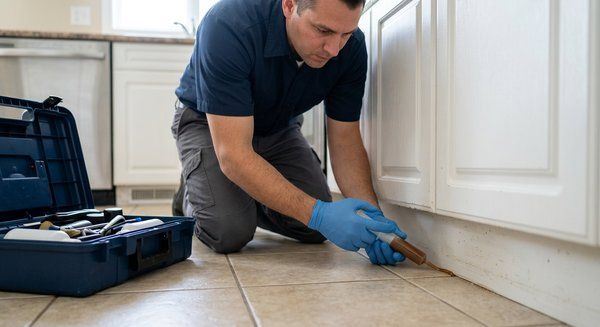
If you are seeing signs of carpenter ants in your home, do not wait until the problem worsens. The team at No More Pests Control, LLC can provide fast, effective, and safe carpenter ants removal in Queens, NY and surrounding areas. Our technicians will inspect your property, identify nesting sites, and implement a customized treatment plan that eliminates ants and protects your home from future infestations.
In addition to carpenter ant control, we also offer
residential pest control,
commercial pest control, and
bed bug dog inspections. Whether you are dealing with ants, rodents, spiders, or other pests, our experienced team provides solutions that work and give you peace of mind. Call us today at
(347) 901-8143 and let us help you reclaim your home from unwanted intruders.
FAQs
How do carpenter ants get inside my home?
Carpenter ants often enter through small cracks, damaged wood, or gaps in windows and doors. They can also be brought in on firewood, lumber, or furniture. Early detection is key to preventing a full scale infestation.
Are carpenter ants dangerous to humans?
Carpenter ants do not bite aggressively and are not poisonous. The main danger comes from the damage they cause to wood structures and furniture, which can compromise the integrity of your home.
Can I remove carpenter ants myself?
DIY methods like baits or sprays may reduce ant activity temporarily, but they rarely reach hidden nests. Professional treatments are the most reliable way to fully eliminate the colony, including the queen.
How long does it take to get rid of carpenter ants?
The timeline depends on the size of the infestation. Minor issues may be resolved within days with professional treatment, while larger infestations may require a series of visits. Follow ups ensure the colony is completely eliminated.
How can I prevent future carpenter ant problems?
Keep wood debris away from your home, seal cracks and gaps, fix leaks, and maintain good ventilation. Regular professional inspections can catch early activity before it becomes a serious infestation.