What Kills Carpenter Ants Instantly? Best Treatments and Prevention Tips
Carpenter ants are one of the most frustrating pests homeowners encounter—especially in older homes or properties with moisture problems. Unlike termites, carpenter ants don’t eat wood, but they do excavate it to build colonies. Over time, this tunneling weakens structures and leads to costly repairs. Identifying the fastest and most effective methods to eliminate these pests is essential if you want to protect your home.
At
No More Pests Control, LLC, we understand how stressful an infestation can be. This comprehensive guide explains what kills carpenter ants instantly, the most effective treatment methods, and smart prevention tips to keep them from coming back. Whether you want DIY solutions or you're considering professional
carpenter ant removal, this article covers everything you need to know.
Understanding Carpenter Ant Behavior and Why Fast Action Matters
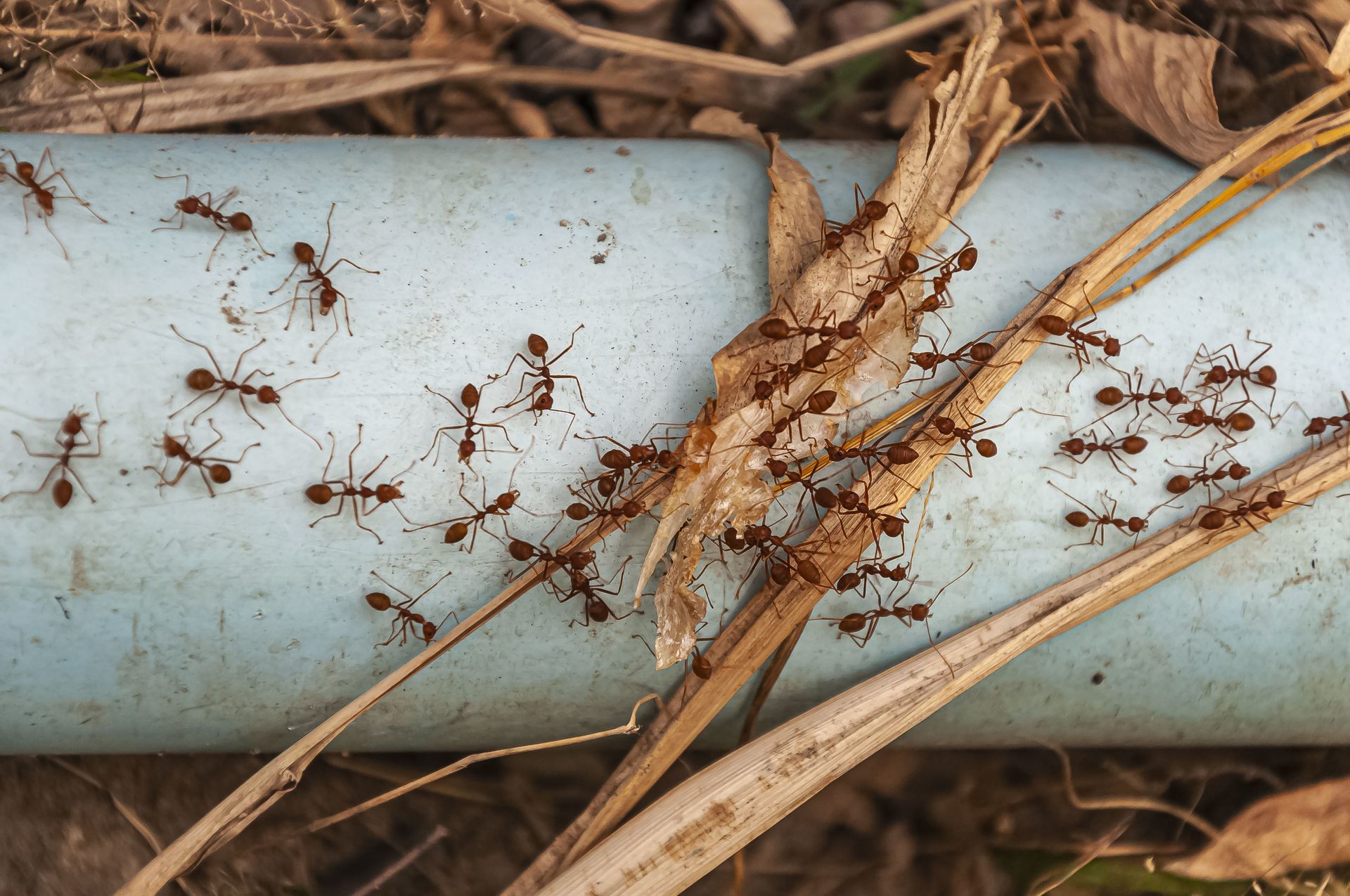
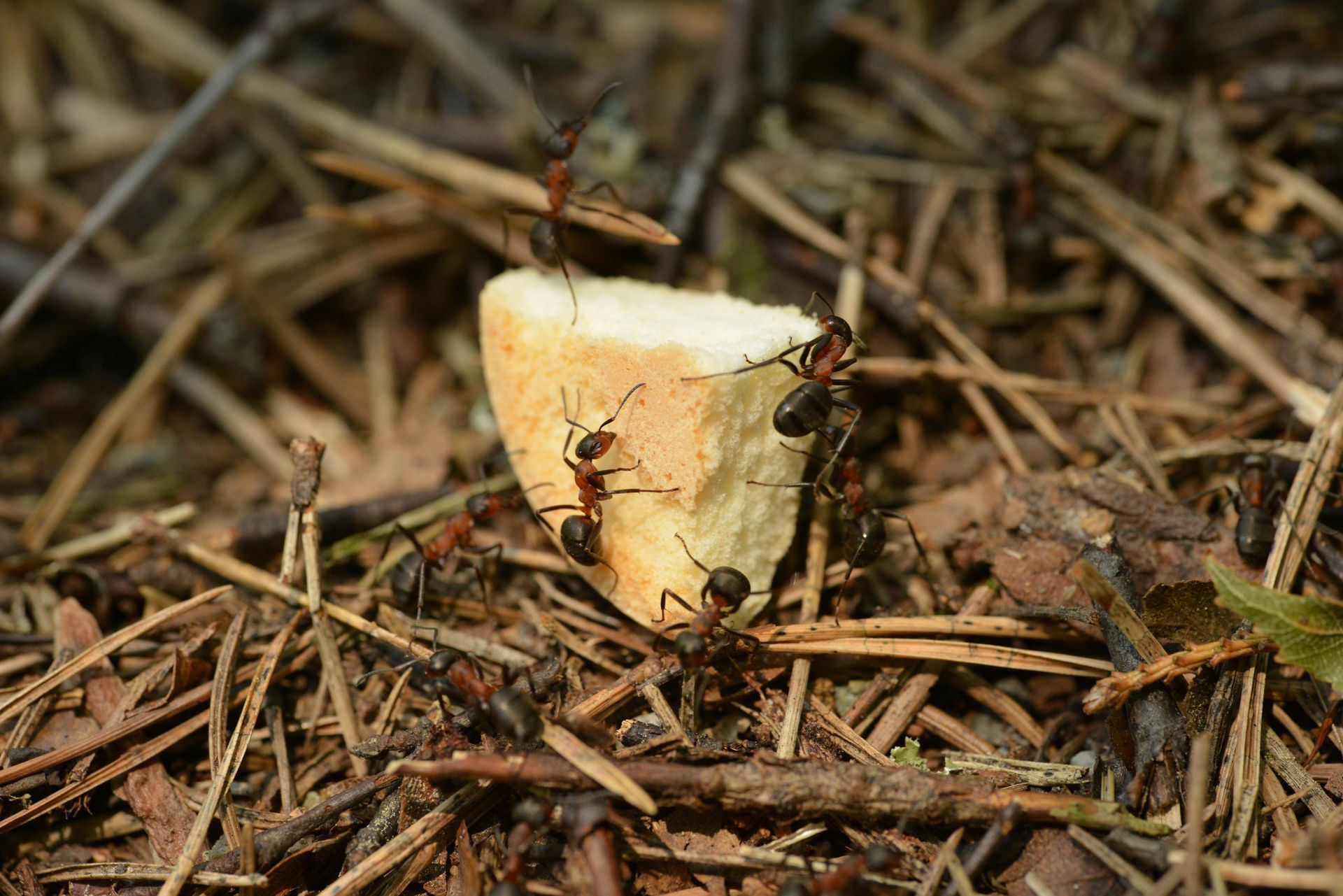
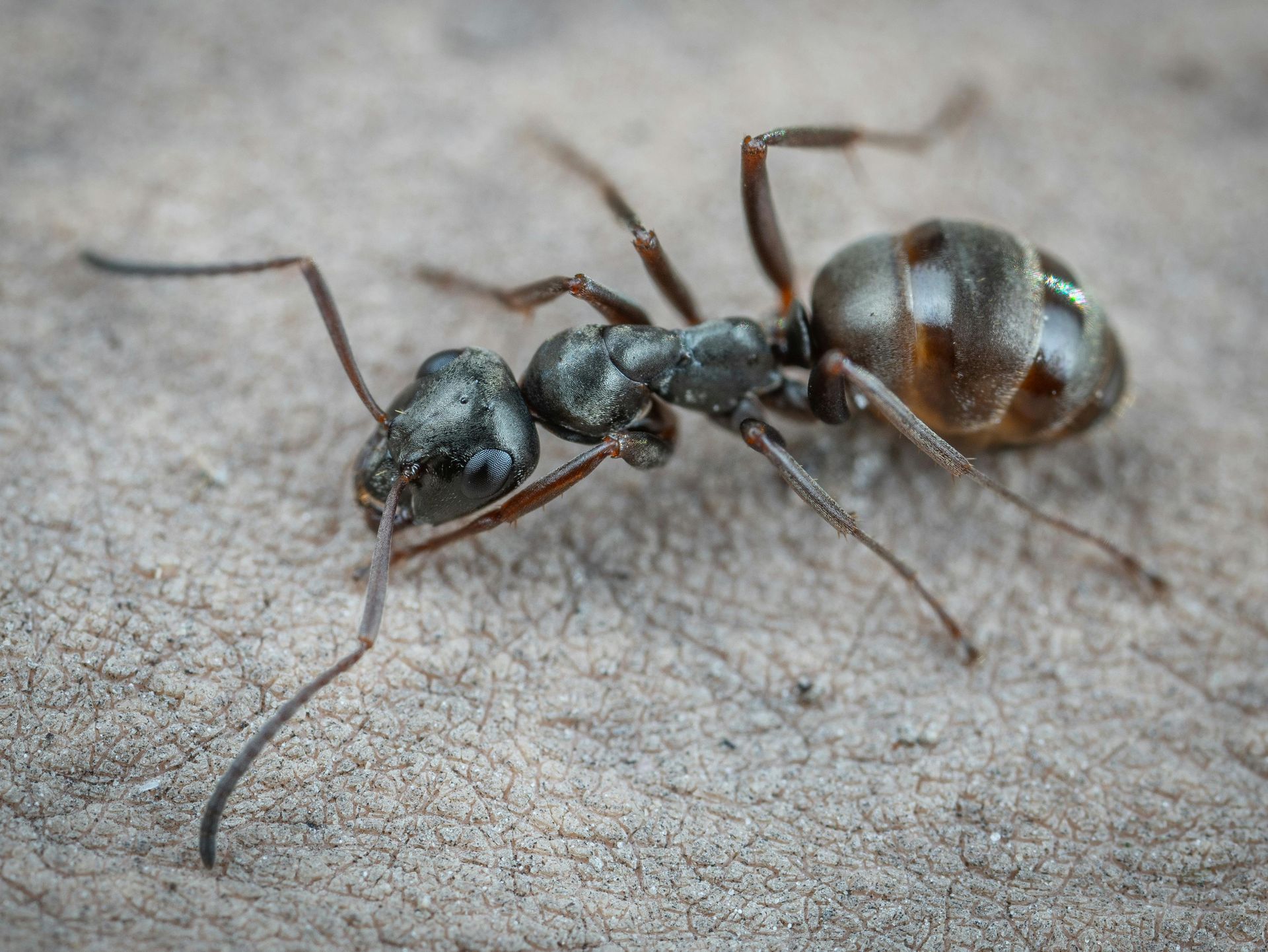
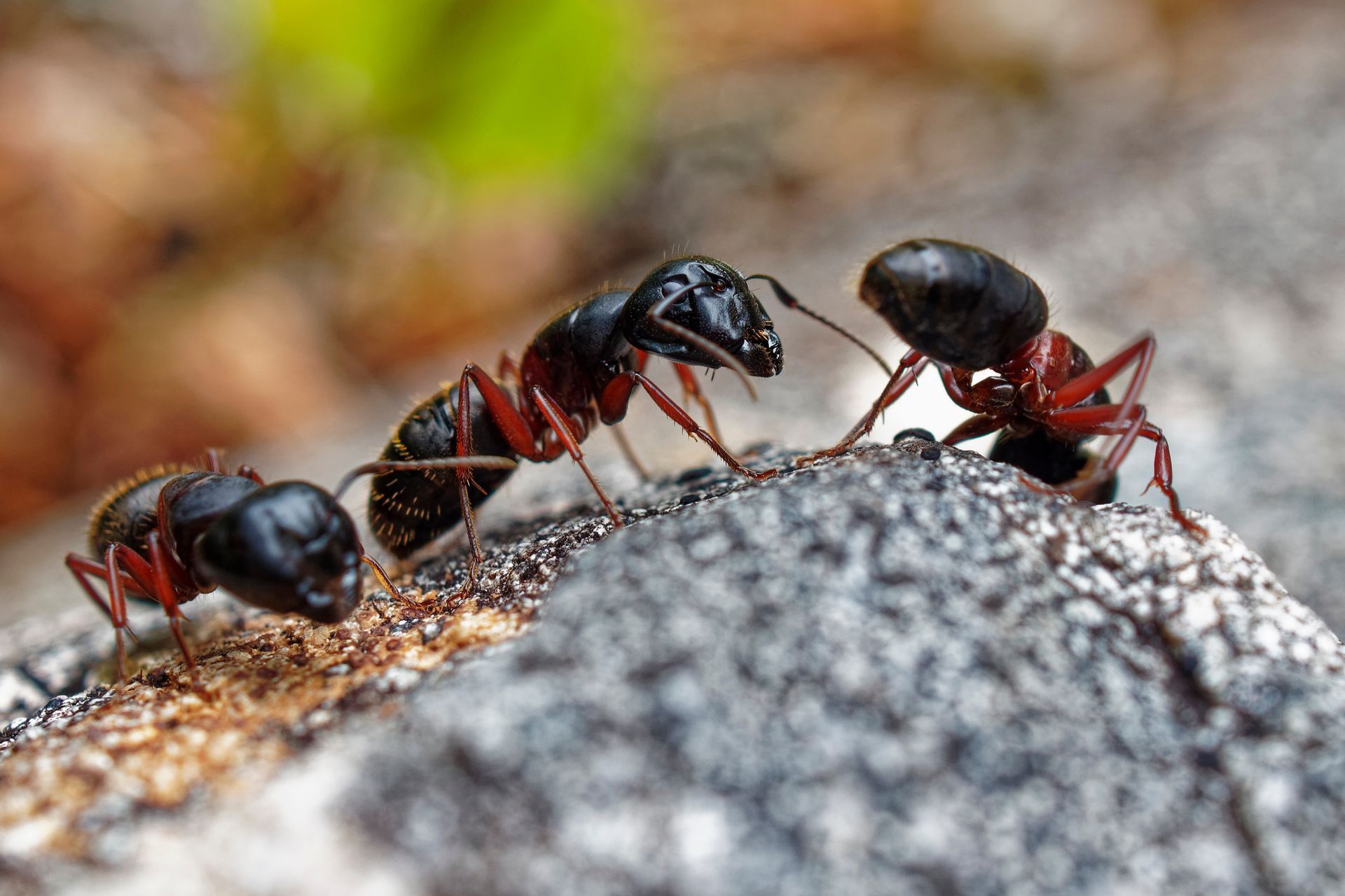
Before diving into instant-kill solutions, it’s important to understand how carpenter ants operate. Carpenter ants are larger than most household ants and are often black or red and black. They create satellite colonies throughout a home, meaning that killing only the visible ants won’t solve the real issue. The queen and primary colony may be hidden deep inside walls, crawlspaces, or wooden beams.
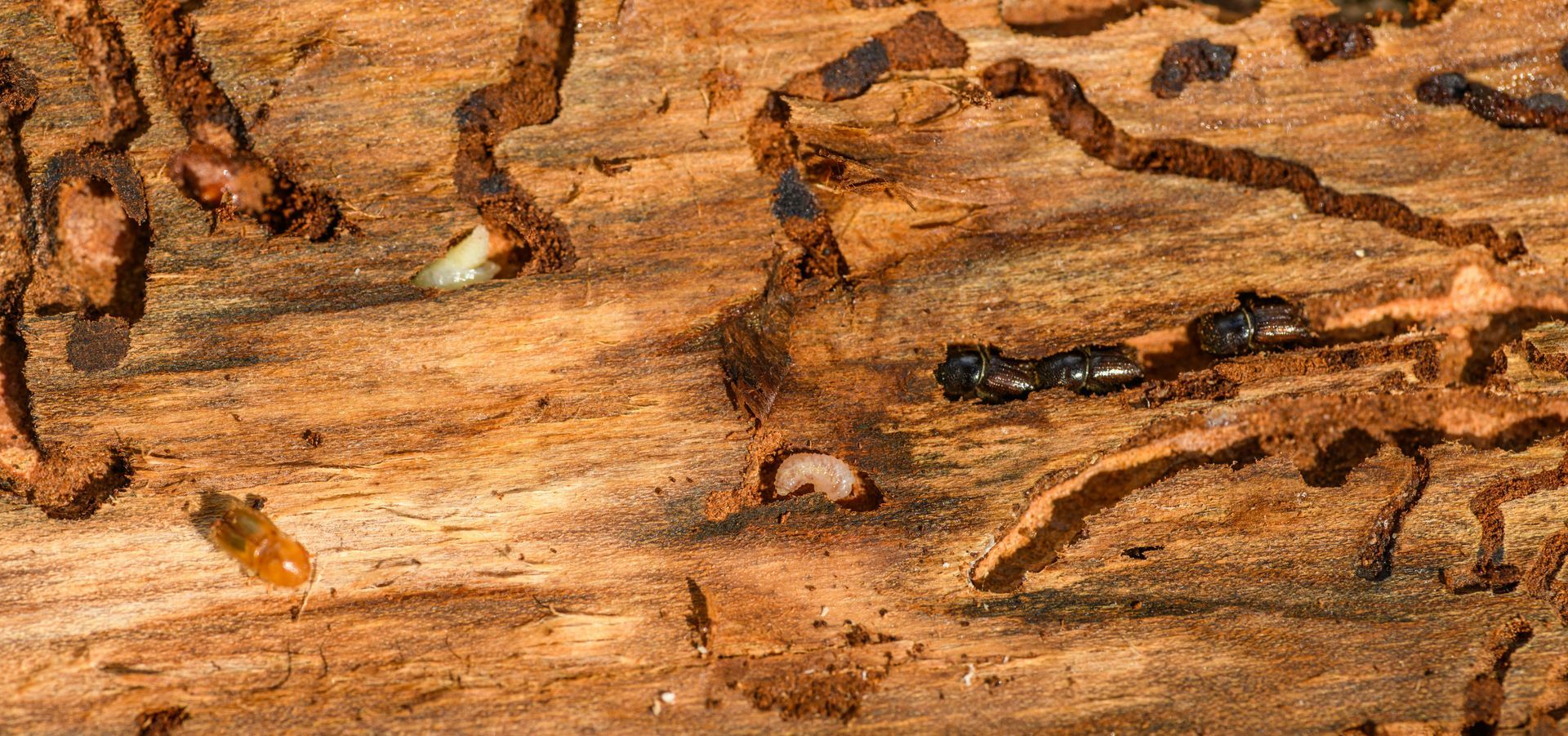
Carpenter ants prefer damp, softened, or decaying wood. Once inside, they expand tunnels, increasing structural damage over time. The longer they remain, the more difficult and expensive the extermination becomes.
Fast action matters because:
- Carpenter ants expand quickly, creating multiple colonies.
- They can weaken wooden structures, floors, and decks.
- Their activity often signals moisture issues in your home.
- Killing only individual ants will not eliminate the source of the infestation.
Understanding their behavior helps you choose the most effective treatment options—and know when it’s time to call a professional.
Instant Carpenter Ant Killers: What Works Right Away
When dealing with an active infestation, homeowners often want fast-acting solutions. While long-term treatments are important, there are certain substances and products that kill carpenter ants on contact.
Liquid Insecticides
Many store-bought liquid insecticides contain pyrethroids—a fast-acting ingredient that kills carpenter ants immediately upon contact. These products can be sprayed directly onto visible ants, along trails, or into cracks and crevices where ants enter your home.
Insecticidal Dust
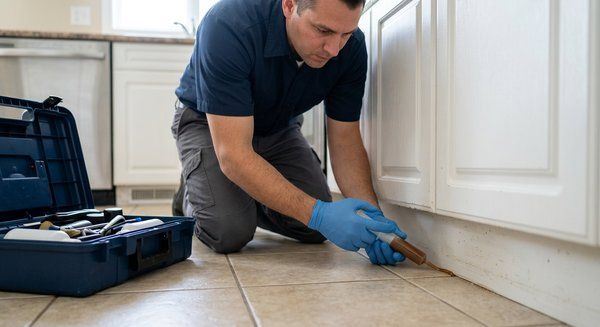
Dust insecticides such as boric acid or silica aerogel kill ants by dehydrating them or poisoning them when ingested. These dusts act quickly and are especially effective when blown into wall voids, electrical outlets, and gaps near baseboards.
Essential Oil Concentrates
While not always as quick as chemical treatments, high concentrations of certain essential oils—such as peppermint, tea tree, or clove oil—can kill ants instantly or within minutes due to their strong chemical compositions. They are helpful for spot-treating areas but should not be relied on for colony elimination.
Soapy Water
A simple mix of dish soap and water breaks down the ants’ exoskeletons, killing them on contact. This is a fast and natural solution, but like essential oils, it is only effective on visible ants.
These methods can kill carpenter ants instantly, but none of them address the colony deep inside the structure. To ensure you eliminate carpenter ants for good, a comprehensive strategy is necessary.
Long-Term Carpenter Ant Treatments That Work
While instant-kill products help reduce active populations, long-term elimination requires targeting the colony and queen. Here are the most reliable strategies.
Baiting Systems
Ant baits contain attractants mixed with slow-acting insecticides. Carpenter ants take the bait back to the colony, spreading the poison to other workers and eventually the queen. Baiting takes longer than sprays but offers more complete elimination.
Residual Insecticide Barriers
These long-lasting liquid treatments are applied around the home’s foundation, window frames, wall voids, and other entry points. They create a protective chemical barrier that kills ants over time as they pass through treated areas.
Boric Acid Applications
Boric acid can be mixed with sugary attractants to create a poison bait. When carpenter ants consume the mixture, it disrupts their digestive system and kills them. Since boric acid is slow-acting, it is effective in eliminating colonies rather than just visible ants.
Moisture Control and Structural Repairs
Carpenter ants thrive in damp or damaged wood. Repairing leaks, replacing rotted areas, and improving ventilation removes the conditions they prefer, making your home less appealing for nesting.
Professional Extermination
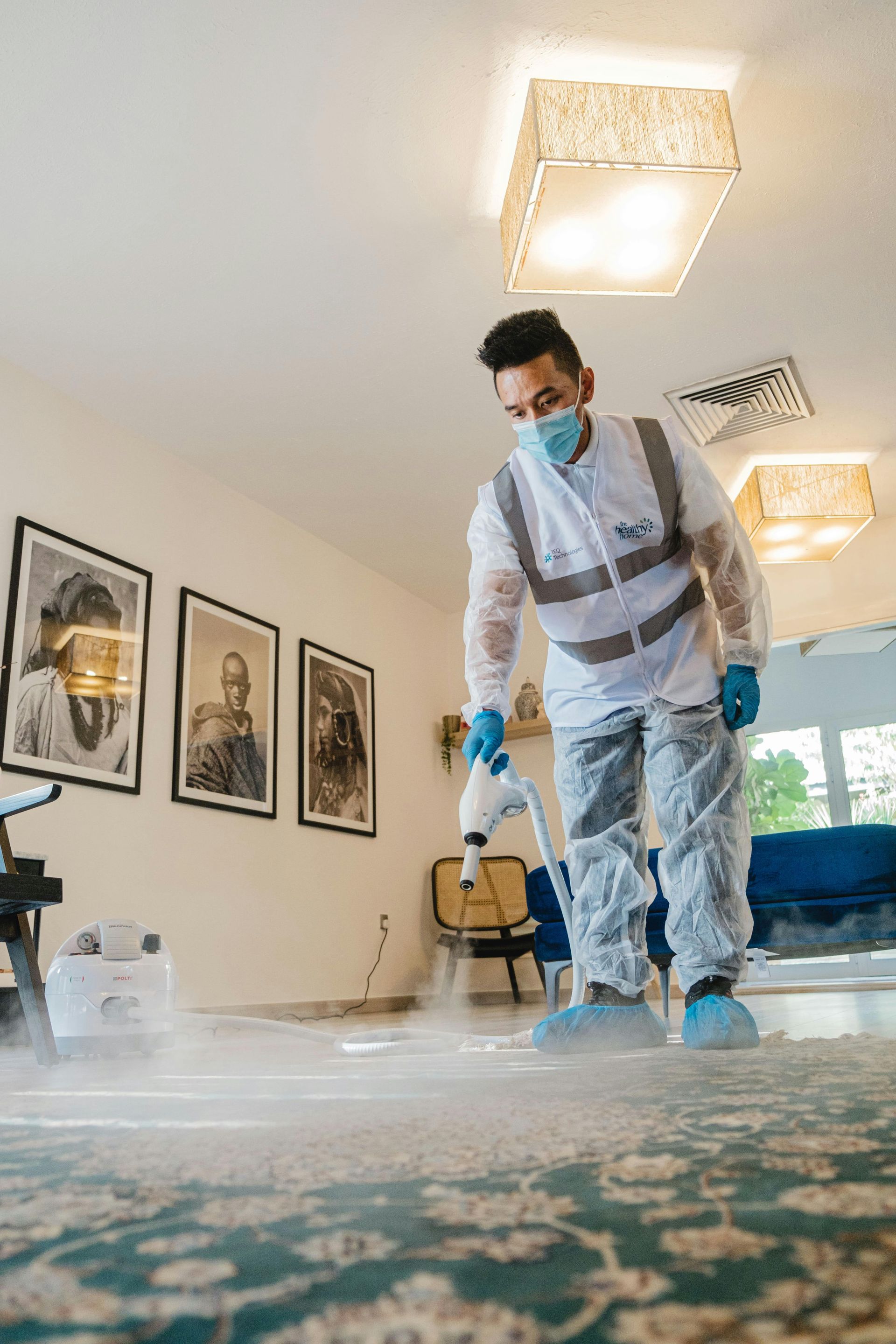
A trained pest control technician can locate nests using moisture meters, thermal imaging, and expert inspection. Professionals use targeted treatments that reach deep into colonies hidden behind walls—something homeowners typically cannot do on their own.
If you’ve tried DIY treatments without success, it’s time to call a specialist who can provide reliable carpenter ant removal and prevent the problem from returning.
How to Prevent Carpenter Ants from Returning
Even after eliminating an infestation, prevention is key. Carpenter ants often re-infest homes that provide sources of food, moisture, or simple entry points. Use these strategies to keep your home protected year-round.
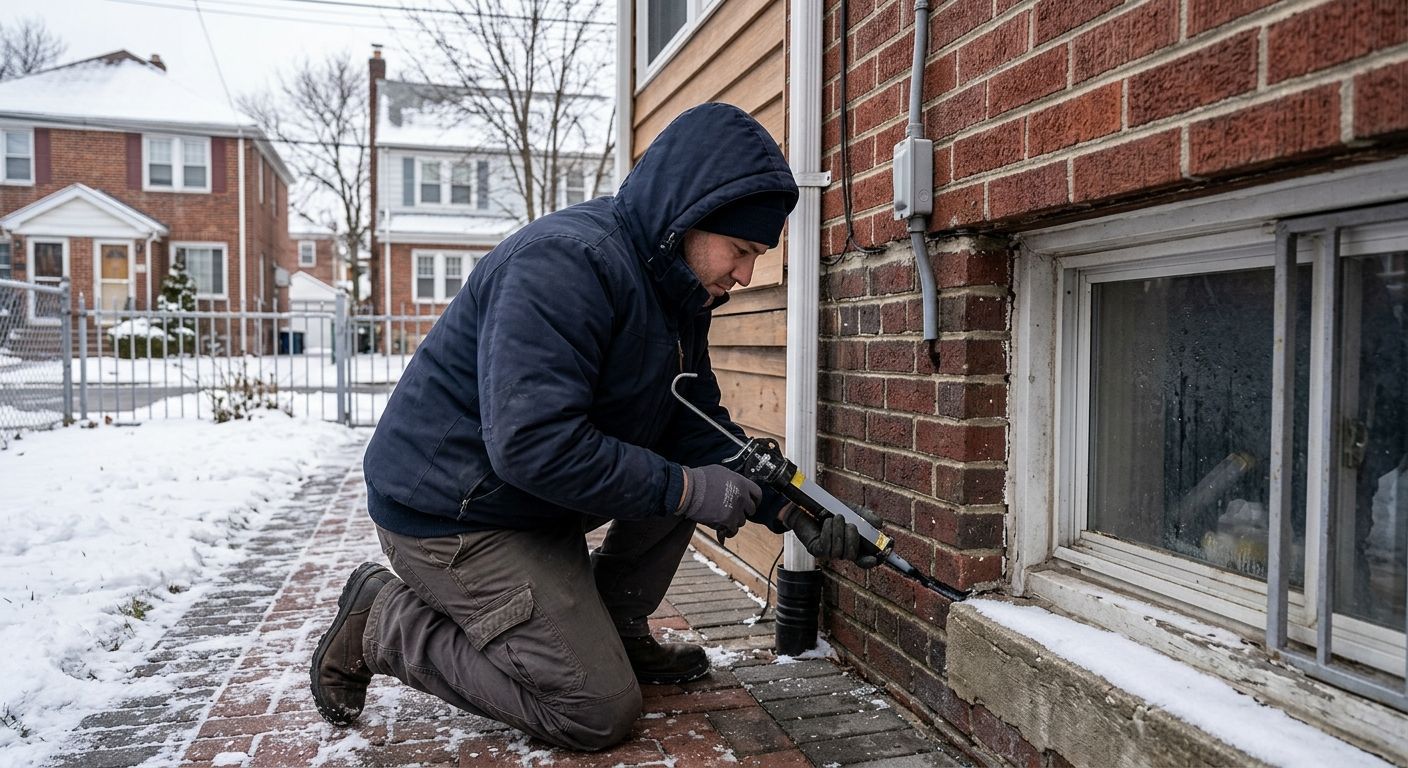
Seal Entry Points
Inspect your home’s exterior for cracks, gaps, or damaged seals around windows and doors. Seal these access points using caulk or weatherstripping material.
Eliminate Moisture Sources
Fix leaky roofs, plumbing issues, clogged gutters, or condensation problems. Carpenter ants love moist wood.
Store Food Properly
Carpenter ants forage for sweet foods and proteins. Keep food in airtight containers and clean spills promptly.
Yard Maintenance
Trim tree branches touching your home, store firewood away from the exterior wall, and remove rotting logs or stumps. These are common nesting sites that lead ants toward your home.
Schedule Regular Pest Inspections
A professional inspection once or twice a year helps catch issues early and ensures your home stays protected. Preventive treatments can keep ants from gaining a foothold in the first place.
Prevention is just as important as treatment because carpenter ants are persistent. Keeping your home sealed, dry, and maintained is the best long-term strategy.
When to Call a Professional for Carpenter Ant Removal
DIY methods can help with minor problems, but carpenter ants are notoriously difficult to eliminate fully without professional intervention. You should call a pest control company if:
- You see carpenter ants regularly indoors.
- You hear faint rustling or tapping inside the walls.
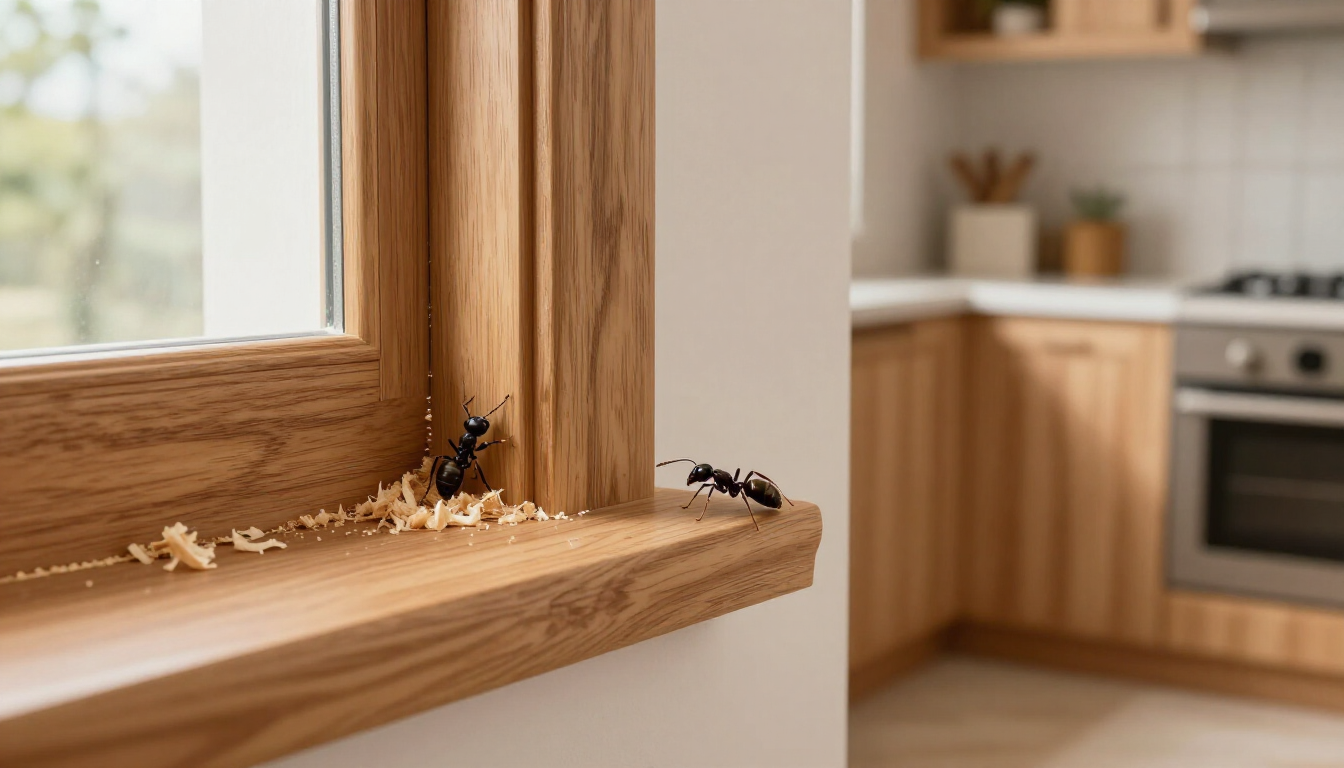
- You find piles of sawdust-like debris called frass.
- DIY treatments only reduce the visible ants temporarily.
- Your home has moisture problems that attract pests.
- You suspect multiple nests or satellite colonies.
Professionals have specialized tools and commercial-grade treatments designed to eliminate carpenter ants at the source. This ensures a complete solution rather than a temporary reduction.
Contact No More Pests Control, LLC for Fast and Effective Carpenter Ant Removal
If you’re dealing with carpenter ants in Queens, NY, you don’t have to fight them alone. At No More Pests Control, LLC, we specialize in safe, effective, and long-lasting carpenter ant removal. Our team identifies the nest, eliminates the colony, and provides preventive guidance to ensure they don’t return.
We also eliminate bees, rodents, cockroaches, spiders, termites, and more.
Call us today at
(347) 901-8143 to schedule an inspection or request service. Let us protect your home from further damage and restore your peace of mind.
FAQs
Do carpenter ants eat wood?
No. Carpenter ants do not eat wood; they remove it to create tunnels for nesting. Their excavation can still cause serious structural damage.
How can I tell if I have carpenter ants or termites?
Carpenter ants have narrow waists, bent antennae, and larger bodies. Termites have straight antennae and equal-length wings. Frass piles are also a sign of carpenter ants.
Can I get rid of carpenter ants on my own?
You can reduce visible ants with sprays and bait, but eliminating the entire colony—especially hidden nests—usually requires professional treatment.
What attracts carpenter ants to homes?
Moist wood, food crumbs, leaks, rotting wood, and easy entry points attract carpenter ants indoors.
How long does professional carpenter ant removal take?
Most treatments provide noticeable results within days, though eliminating an entire colony may take one to two weeks, depending on its size and location.