Winter Rodent Prevention for Queens Homeowners
Why Queens Homeowners Need a Rodent Prevention Plan Before Winter Hits
When temperatures start dropping across New York City, most homeowners are thinking about heating bills, holiday plans, and storm prep. But there is one uninvited guest that is also preparing for winter, and it has four legs, sharp teeth, and no intention of paying rent. Rats and mice in Queens are not just a nuisance. They are a year-round threat that becomes critically dangerous as the cold months set in.
No More Pests Control, LLC has helped Queens residents and business owners protect their properties through every season, and winter rodent prevention is one of the most important services we provide. Here is what every local homeowner needs to know before the first freeze arrives.
Queens Has a Rodent Problem That Does Not Sleep in Winter
New York City has made headlines recently for a 21% citywide drop in rat complaints, largely thanks to aggressive trash containerization programs. That is good news for the city overall, but it does not tell the full story for Queens specifically.
Historically, Queens has recorded some of the steepest spikes in rat population estimates across all five boroughs, with certain periods seeing increases of up to 59%. Dense housing, aging infrastructure, proximity to waterways, and an abundance of food sources make Queens an ideal environment for rodents to thrive, even as other areas of the city improve.
When winter arrives, the situation shifts indoors. Rats are warm-blooded survivors. They do not hibernate. Instead, they seek out heated spaces to nest, reproduce, and wait out the cold. That means your basement, crawl space, attic, and wall voids become prime targets from November through March.
The Real Danger: Why Rodents Are More Than Just a Gross Problem
Many homeowners underestimate what a rodent infestation actually means for their household. Beyond the obvious discomfort of sharing your home with rats or mice, the risks include:
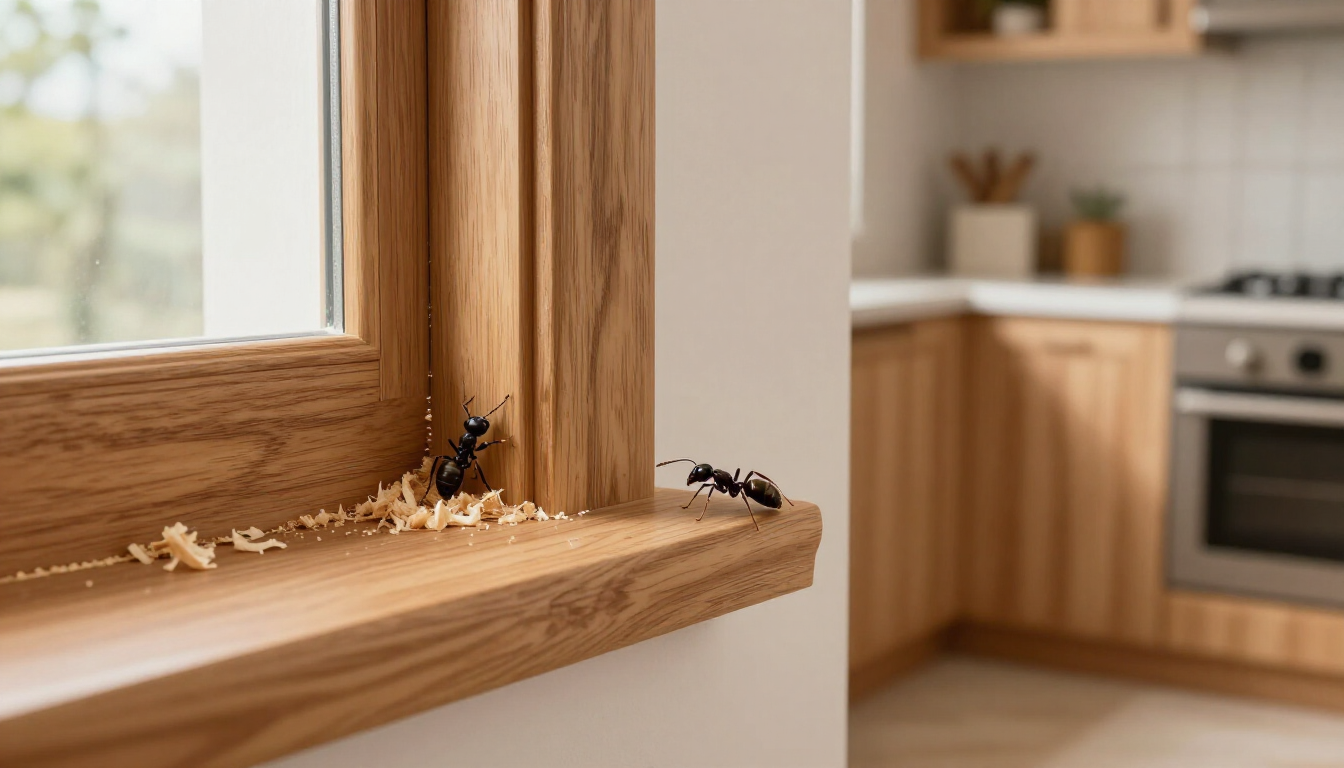
- Structural damage: Rodents gnaw constantly to keep their teeth filed down. Electrical wiring, insulation, wooden beams, and even PVC pipes are all fair game.
- Contamination: Rodent droppings and urine can contaminate food storage areas and spread bacteria like Salmonella and Leptospira.
- Health hazards: Hantavirus, though rare, has been documented in the northeastern United States. Rodent allergens also worsen asthma and respiratory conditions, which is a serious concern in dense urban housing.
- Rapid reproduction: A single pair of rats can produce dozens of offspring in just a few months. A small problem in October can become a serious infestation by January.
Why Traps Alone Are Not Enough: The Case for Professional Exclusion
Here is what the pest control industry has known for years that most homeowners learn the hard way: setting a few snap traps in the corner of your basement is not a rodent prevention strategy. It is a reaction, and by the time you are reacting, you are already losing.
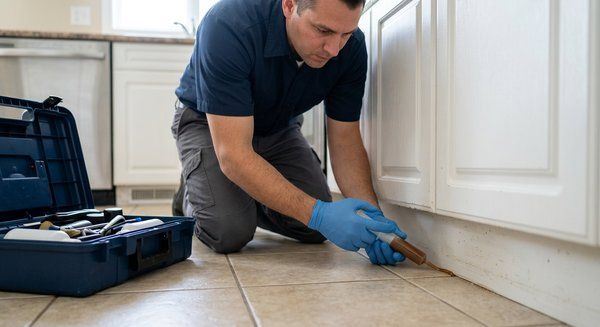
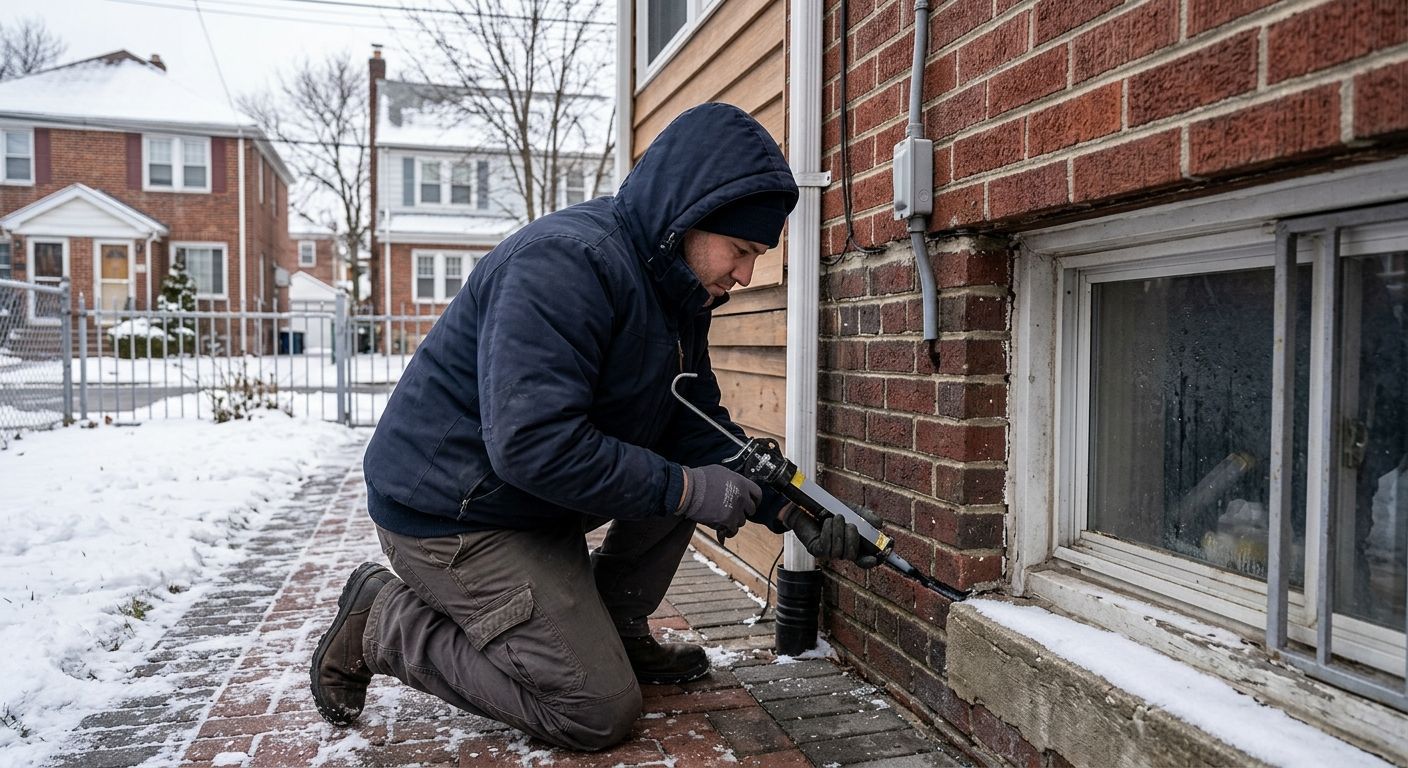
The gold standard for winter rodent prevention is a process called exclusion. Exclusion means professionally identifying and permanently sealing every possible entry point that rodents could use to access your home. This includes:
- Gaps around utility pipes and conduit lines
- Cracks in the foundation and exterior walls
- Open spaces beneath doors and around garage frames
- Vents, dryer exhausts, and soffits without proper screening
Professional exclusion uses materials that rodents cannot chew through, such as steel wool packed into openings and then sealed with caulk or concrete. Unlike poison bait stations or traps, exclusion removes the problem at the source. Rodents cannot infest a building they cannot enter.
A trained pest control technician also knows where to look. Rats can squeeze through a gap the size of a quarter. Mice need only a hole the size of a dime. These entry points are rarely obvious to untrained eyes, especially in older Queens homes where settling, water damage, and years of wear have created hidden vulnerabilities throughout the structure.
When to Call a Professional: Signs Your Home Is Already at Risk
Do not wait until you see a rat running across your kitchen floor. Act early if you notice any of these warning signs:
- Droppings along baseboards, in cabinets, or near food storage
- Gnaw marks on food packaging, wood, or wiring
- Scratching or scurrying sounds inside walls, especially at night
- Grease marks or "rub trails" along walls and floorboards
- Nesting material (shredded paper, fabric, or insulation) in hidden areas
If winter is approaching and you have not had your home professionally inspected, now is the ideal time. A proactive inspection can identify vulnerabilities before rodents find them.
Frequently Asked Questions
How do rats get into Queens homes during winter?
Rats and mice enter through tiny gaps in foundations, around utility pipes, beneath doors, and through damaged vents. They are motivated by the search for warmth, water, and food, so any structural weakness in your home becomes an invitation.
Is it safe to use poison bait stations inside my home?
Rodenticide bait stations can be effective when placed and managed by a licensed professional, but they carry risks, especially for households with children or pets. Professional exclusion paired with targeted, strategic baiting is always safer and more effective than DIY poison placement.
How long does a professional rodent exclusion service take?
Most residential exclusion services can be completed in a single visit, though larger properties or severe infestations may require follow-up work. Your technician will give you a clear timeline during the initial inspection.
Are eco-friendly rodent control methods available?
Yes. Integrated Pest Management (IPM) approaches prioritize low-toxicity methods, physical barriers, and targeted treatments over broad chemical application. IPM is not only safer for your family and pets, it is increasingly recommended under New York State guidelines for residential and commercial properties.
How much does rodent prevention cost compared to treating an active infestation?
Prevention is almost always significantly less expensive than remediation. An established rodent infestation often requires multiple treatment visits, structural repairs, and deep sanitation. A single pre-winter inspection and exclusion service is a fraction of that cost.
Protect Your Queens Home Before the Cold Sets In
Winter rodent prevention is not optional in a borough like Queens. The combination of aging housing stock, dense urban conditions, and peak rodent activity during cold months creates a real and serious risk for homeowners who wait until they have a visible problem.
The good news is that effective, professional exclusion works. Sealing your home before rodents enter is the single most reliable step you can take to protect your family, your property, and your peace of mind this winter.